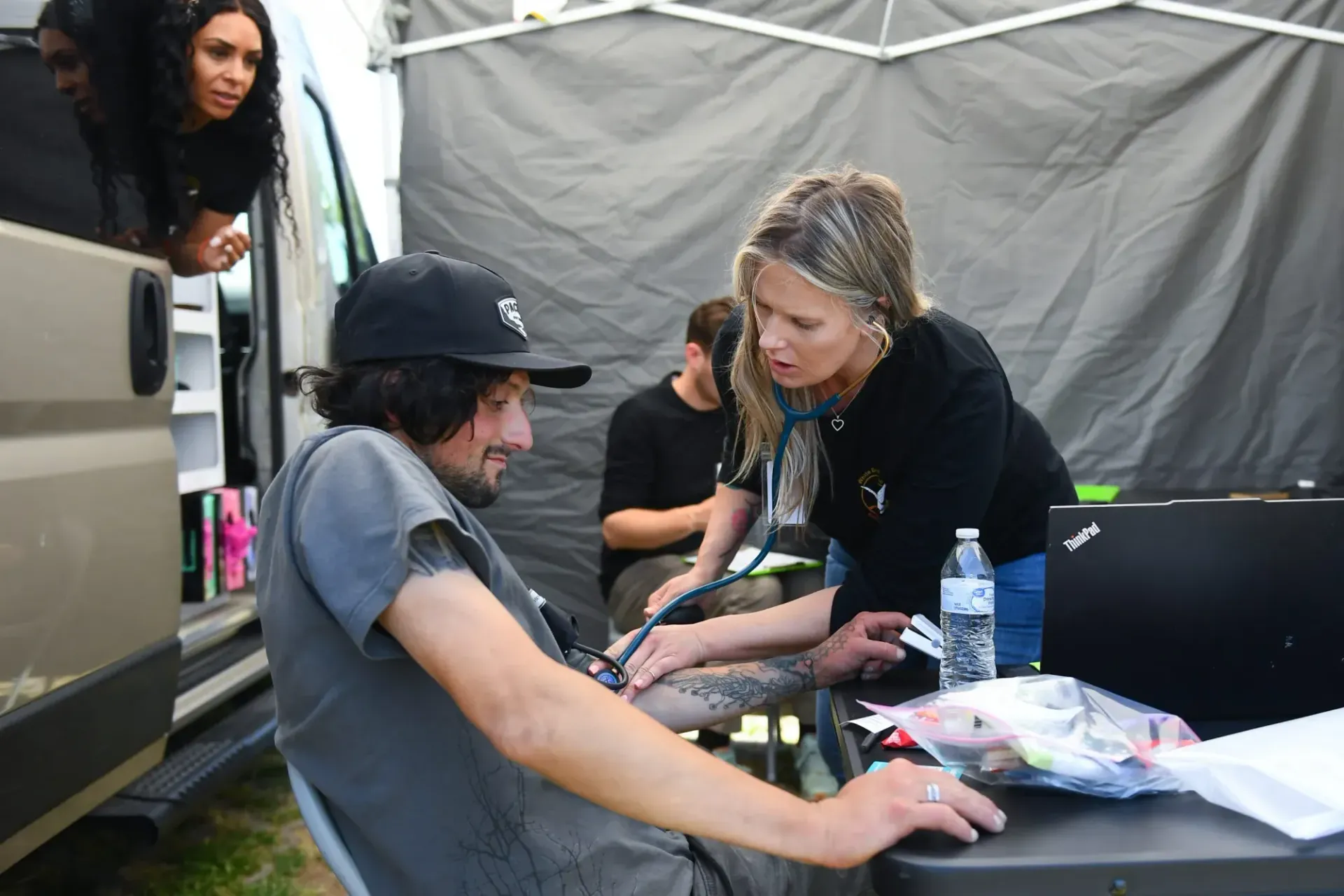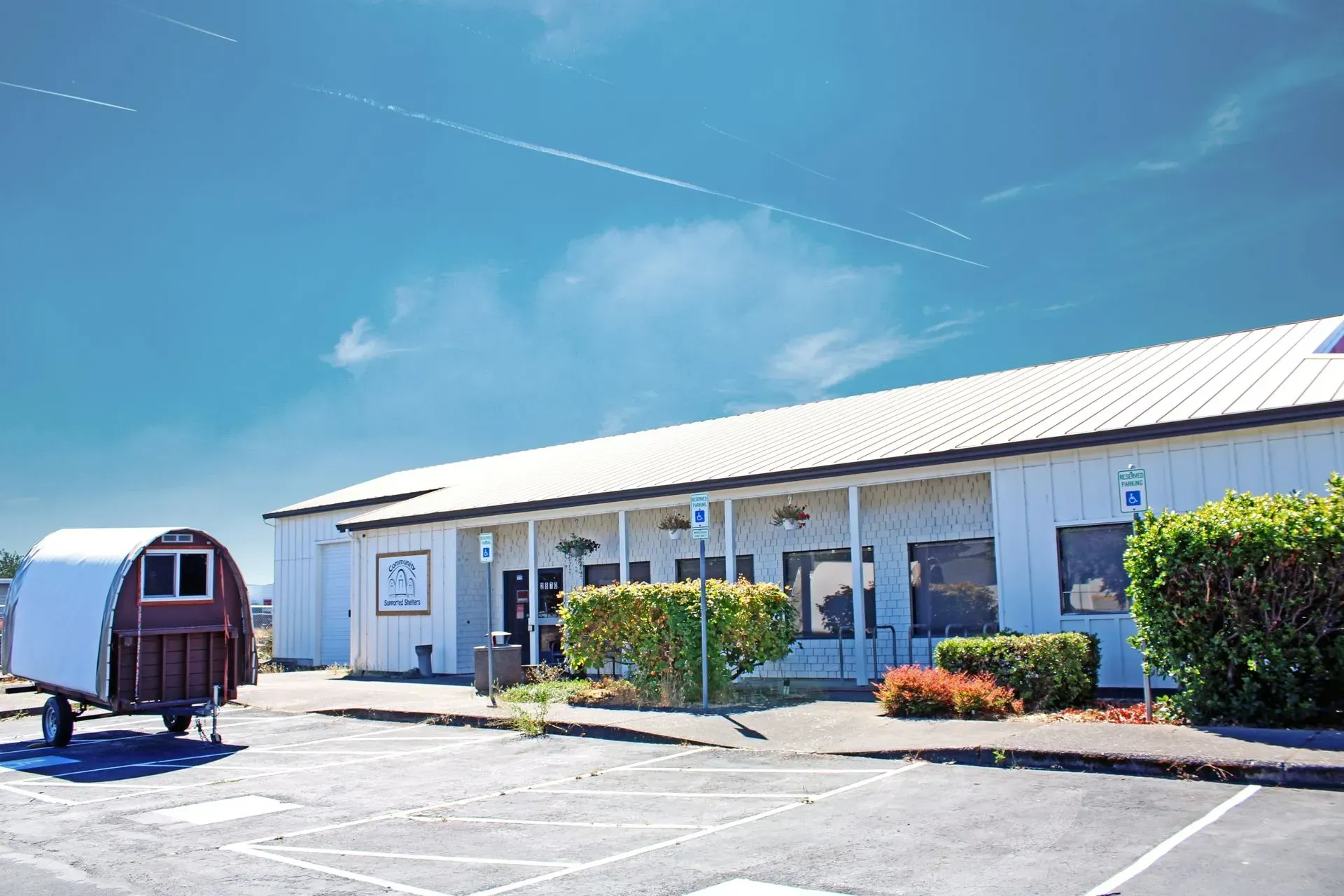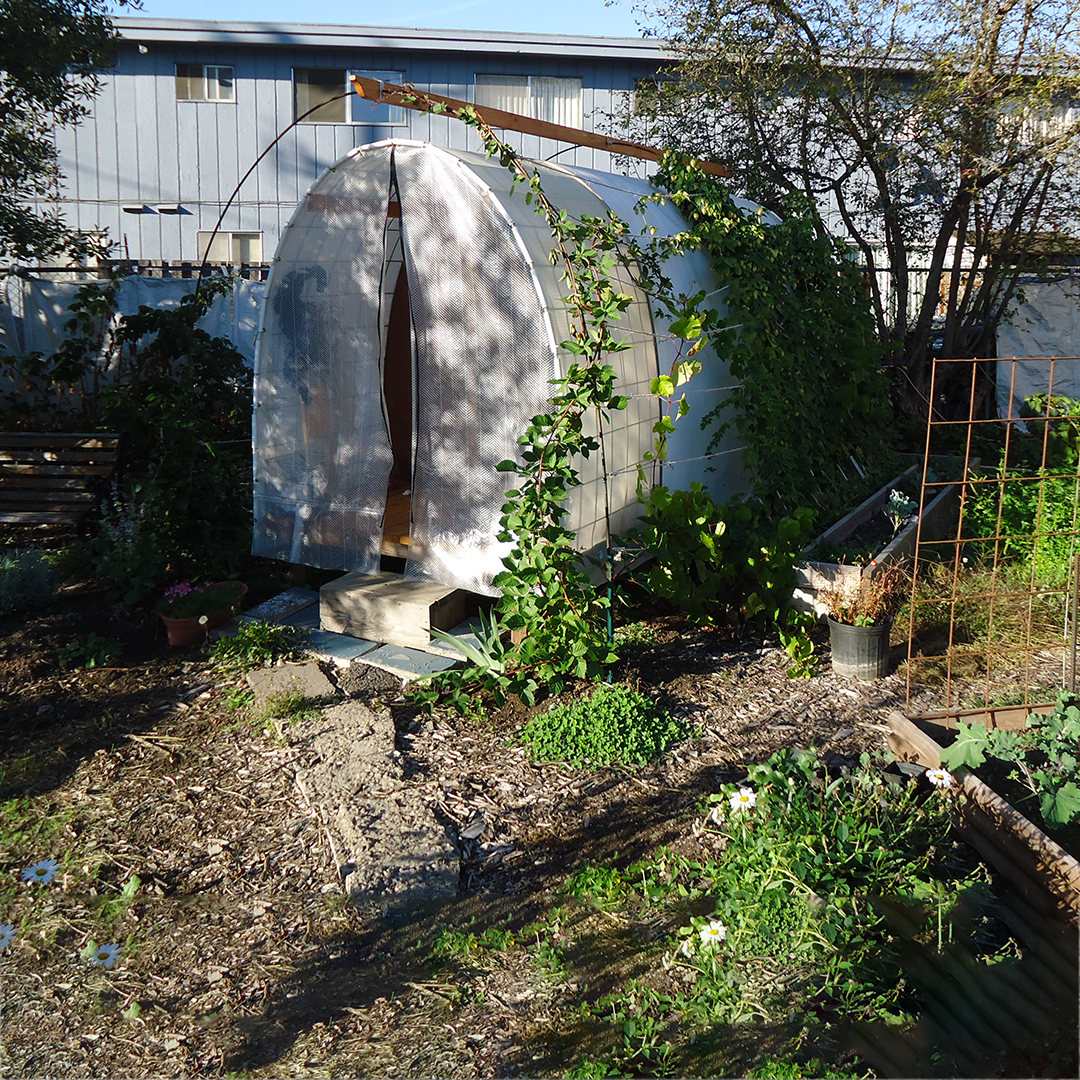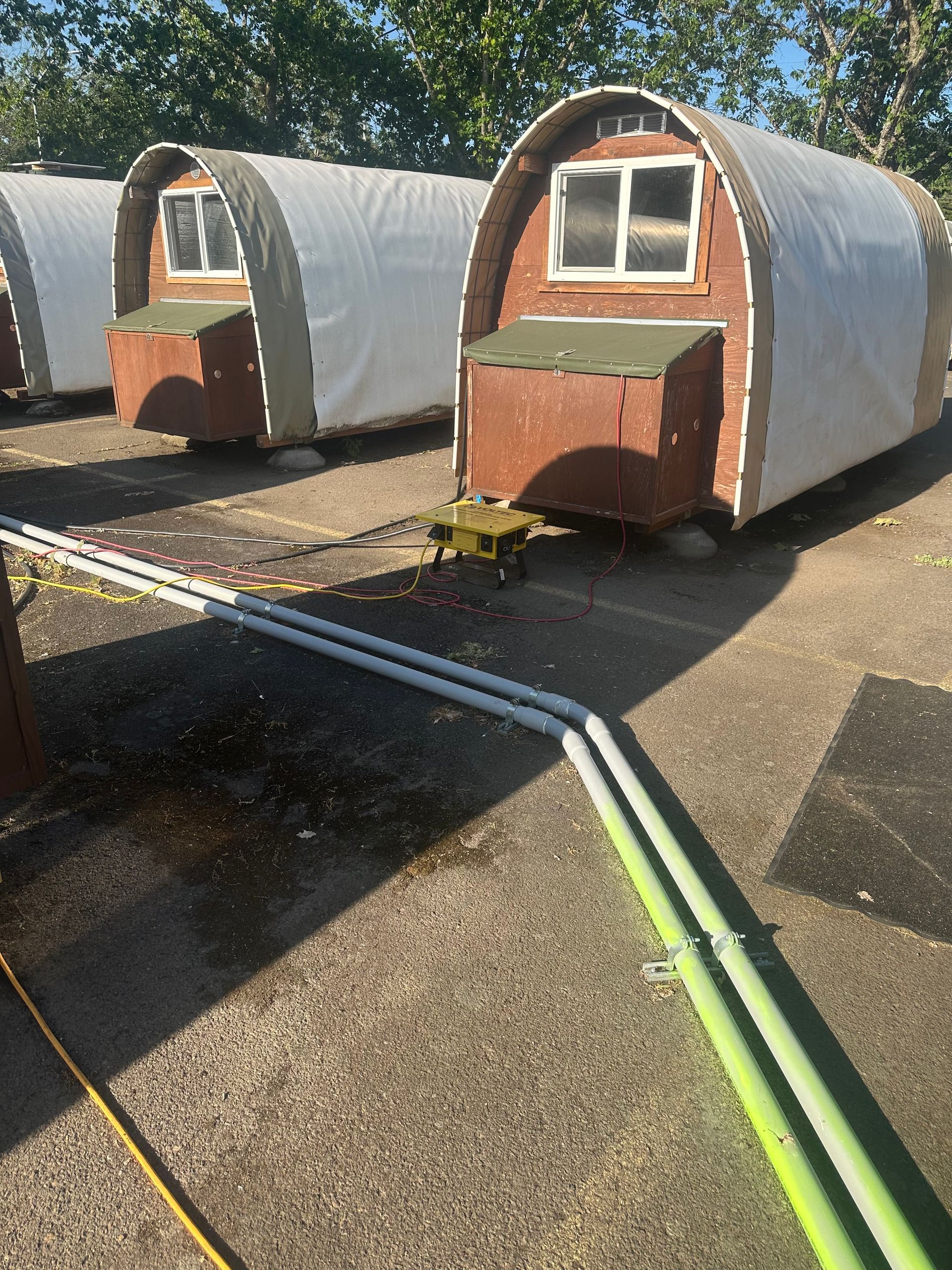
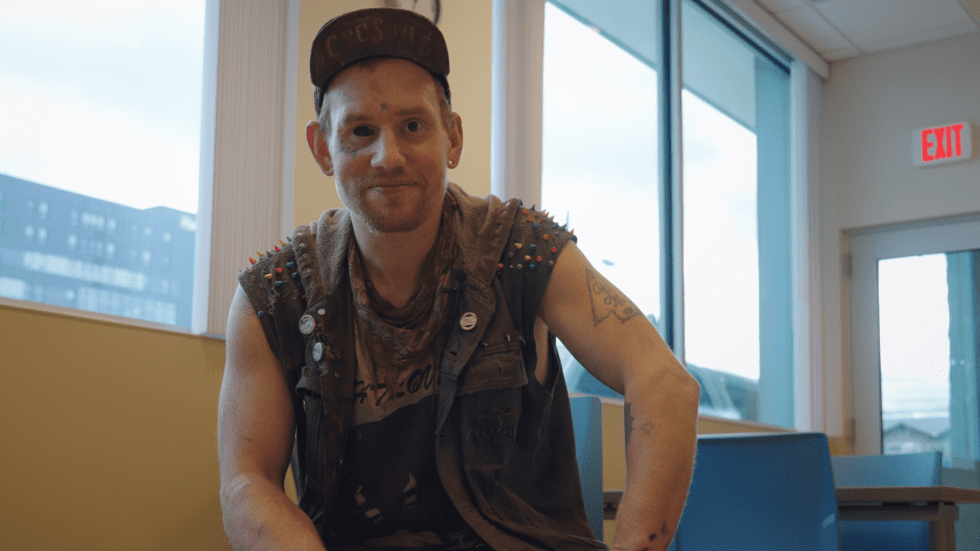


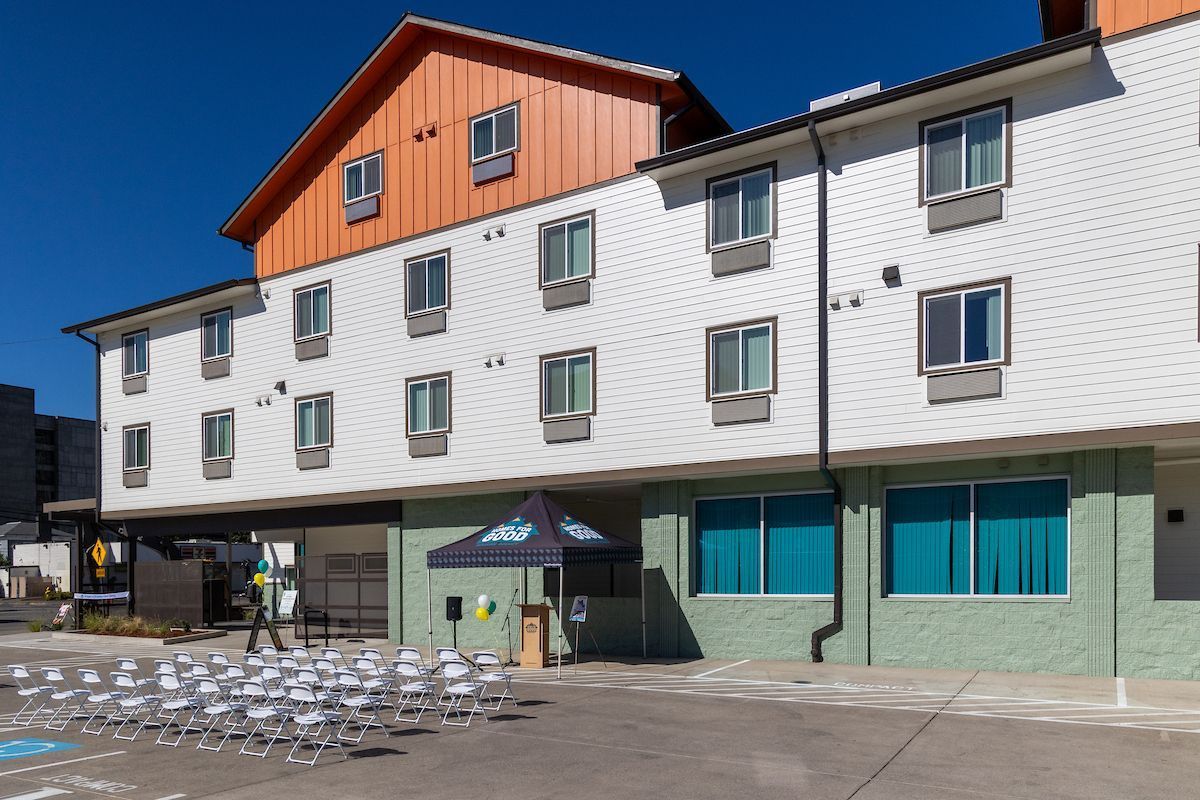
And now, the people who will benefit from this housing are moving in! U.S. Veteran, Greyson S is adapting to the transition of going from being chronically unhoused to housed. This can be a challenging and tricky experience for many. Greyson has been in his new apartment at The BOB for approximately 2 weeks now. He had been living on the streets of Eugene for about 4 years when he got a hut with Community Supported Shelters through the City of Eugene Community Court Program. Once sheltered, Greyson was able to get a Front Door Assessment done with his service navigator and receive the supportive services he needed to go from housing referral to housing. Greyson is grateful for the opportunity. He shares, “When I close the door, it feels like home. I make it my home, as best I can. It’s a good feeling… at the end of the day. Knowing that I’m here and not out there. It’s a step. Something that I intend on continuing on. To get better. To be better.”
Funding Challenges for PSH and Homeless Services in Lane County
Despite the success of new permanent supportive housing projects, funding for supportive housing and homelessness services in Lane County is under significant strain. Recent federal and state funding changes have forced Lane County and local providers to reassess or reduce planned permanent supportive housing capacity and shelter-related supports.
According to local housing officials, the U.S. Department of Housing and Urban Development (HUD) revised its Continuum of Care (CoC) funding rules for 2025, capping permanent housing project funding at about 30% of Tier 1 grant funds — a steep drop from the roughly 85–90% funding share communities like Lane County previously relied on. This shift has forced county planners to cut or scale back an estimated 180 planned permanent housing units and prioritize a smaller number of projects under a compressed application timeline.
At the same time, state funding allocations for homelessness services fell short of expectations, leaving Lane County with roughly $3.4 million less in shelter and housing support than planned. This shortfall has resulted in fewer year-round shelter beds (about 60 fewer) and reductions in case management and other housing exit services, which are vital for moving people into long-term housing.
These funding shifts illustrate a challenging context for both existing supportive housing programs and future expansion, even as PSH models continue to show strong outcomes in reducing chronic homelessness.