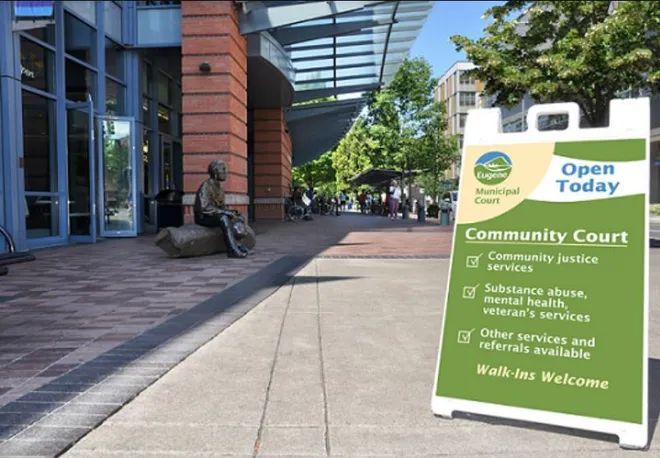
Now, Roosevelt is becoming a model for improvement for all CSS communities—thanks to funding based on its partnership to provide shelter for participants in the Eugene Community Court Provider Room Program. That program allows people charged with non-violent minor misdemeanors like disorderly conduct, theft, interfering with public transportation, trespassing, or prohibited camping violations to opt out of Municipal Court proceedings to participate in the Community Court’s Provider Room in which individuals engage in Community Court case plans, which connect them with services that will address their needs to help them stabilize and move toward an improved quality of life instead of being negatively affected by the criminal justice system. Referrals from the Community Court Provider Room began moving into the Roosevelt Community in January 2024.
“That spot just has such a history with the organization. As we implemented this program, I really wanted to think about how we could utilize that funding to improve the habitability at the location and invest in the individual stability of people who are navigating the Community Court program,” says Blake Burrell, Co-Executive Director of CSS. “In addition, our organization is starting to think about how our Safe Spot Communities that we're going to operate on a longer basis can continue to improve beyond the initial designs during the founding years and expansion.”
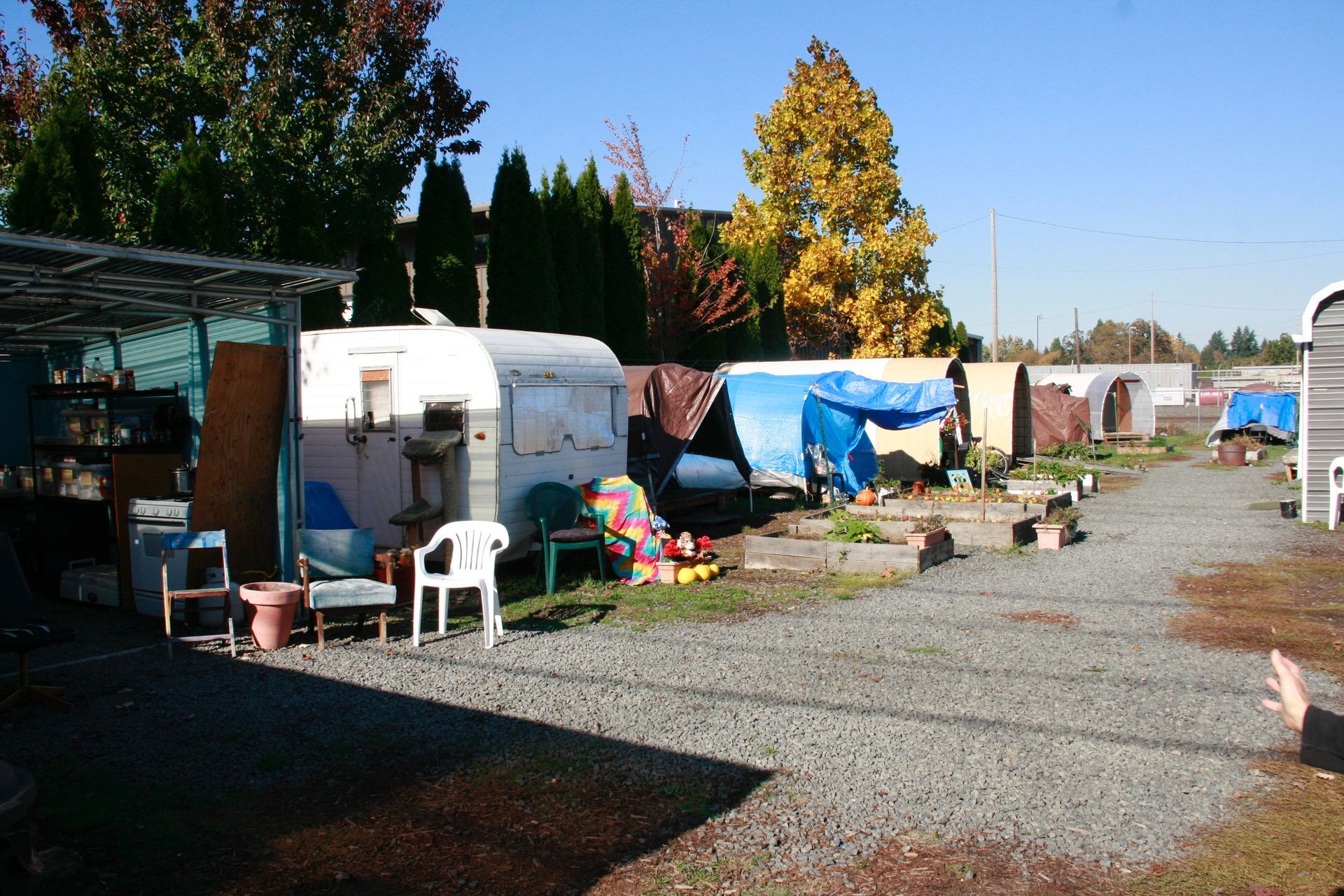
The new Community Room replaced the previous off-grid building that Whitney described as a “metal shed. The floor was like a bunch of different rugs, rocks, and dirt on top of them. It was so different.” It had a couple of chairs and a couple of couches around a wood stove. CSS replaced the gravel floor and furniture multiple times last year, but was having challenges with mud being tracked into the common area on shoes and by pets.
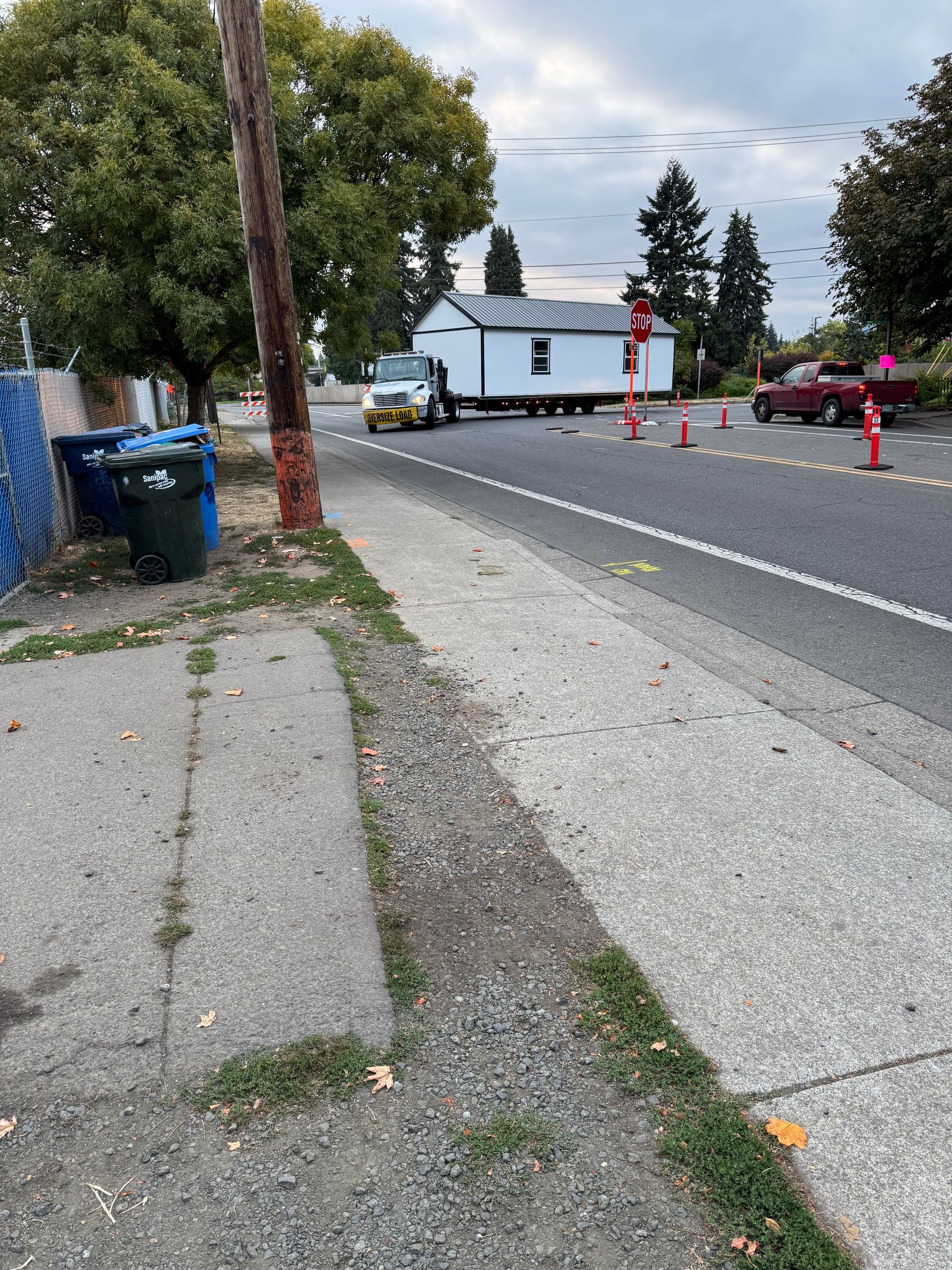
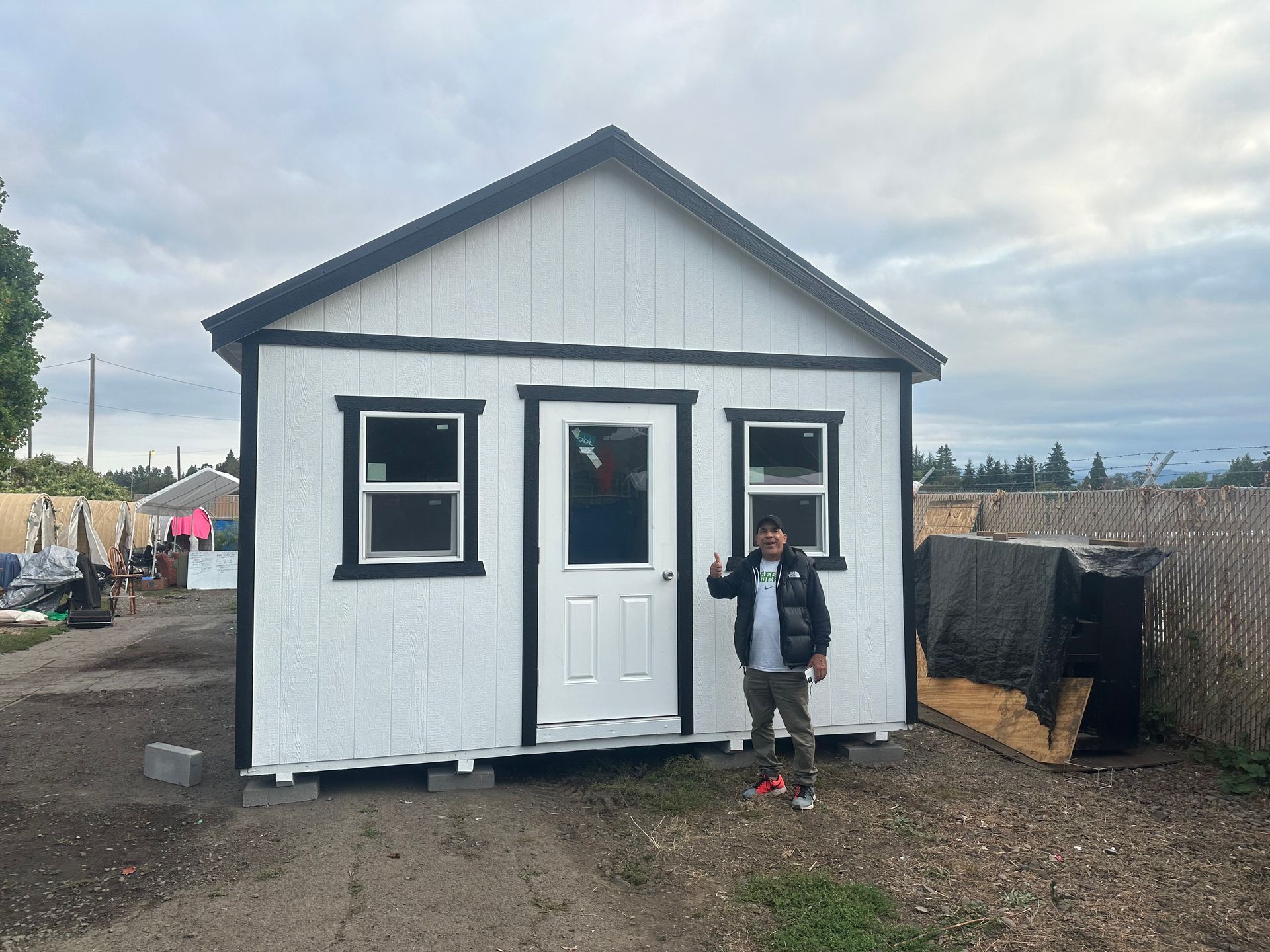
The new Community Room is a prefabricated structure from Summit Structures that was delivered on the back of a trailer last August. “Trace, CSS Business Manager, worked hard to research and coordinate the purchase of the building,” Blake says, “and Dustin and his crew have done a great job getting everything set up comfortably.”
Dani, CSS Community Manager, videotaped the delivery process. “I’m not going to lie,” she says, “I cried when they backed it in here. I've had the pleasure of watching CSS go from being four sites through the expansion” to the current 13 sites. “This was just like that next step. It hit me emotionally.”
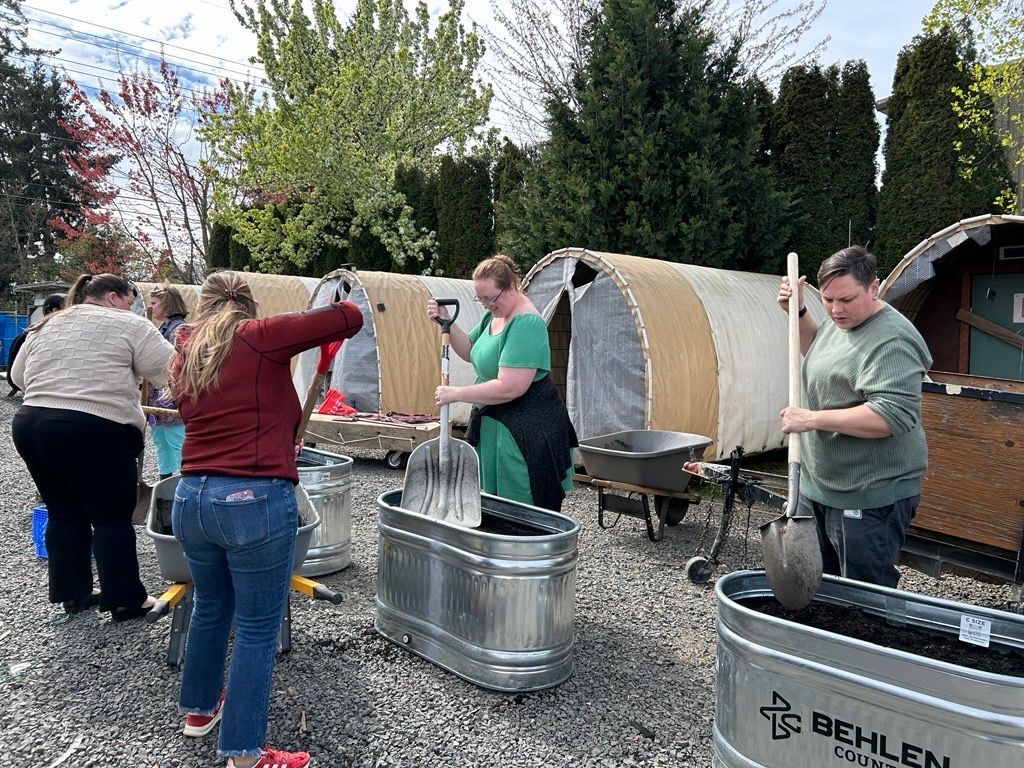
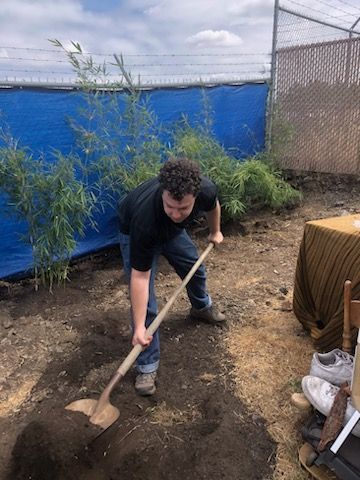
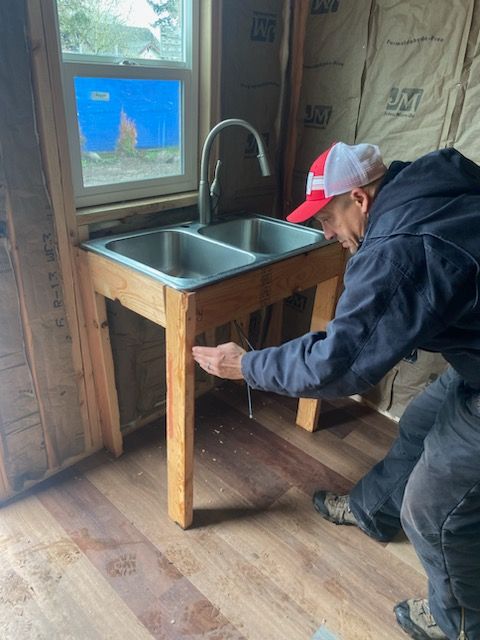
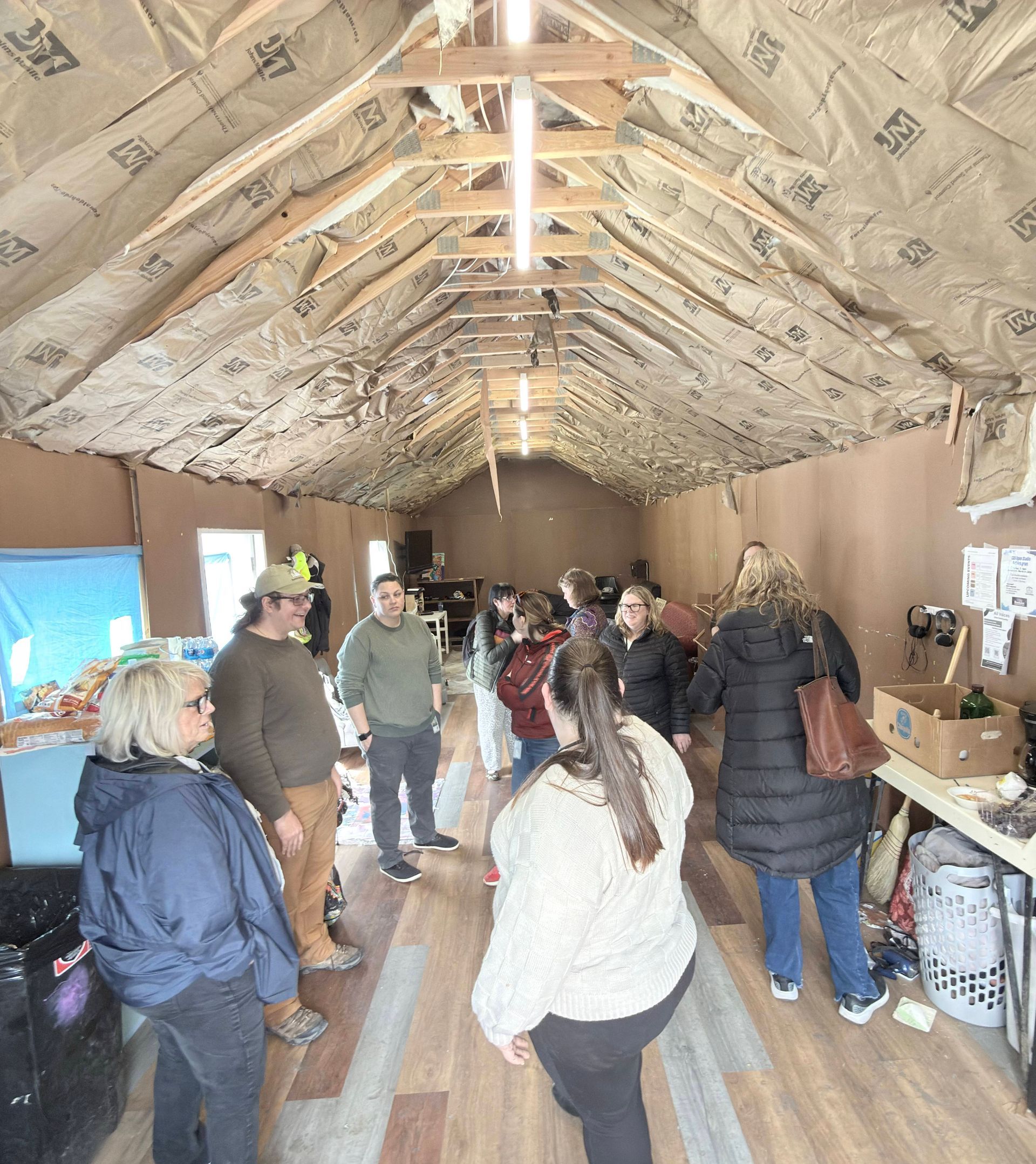
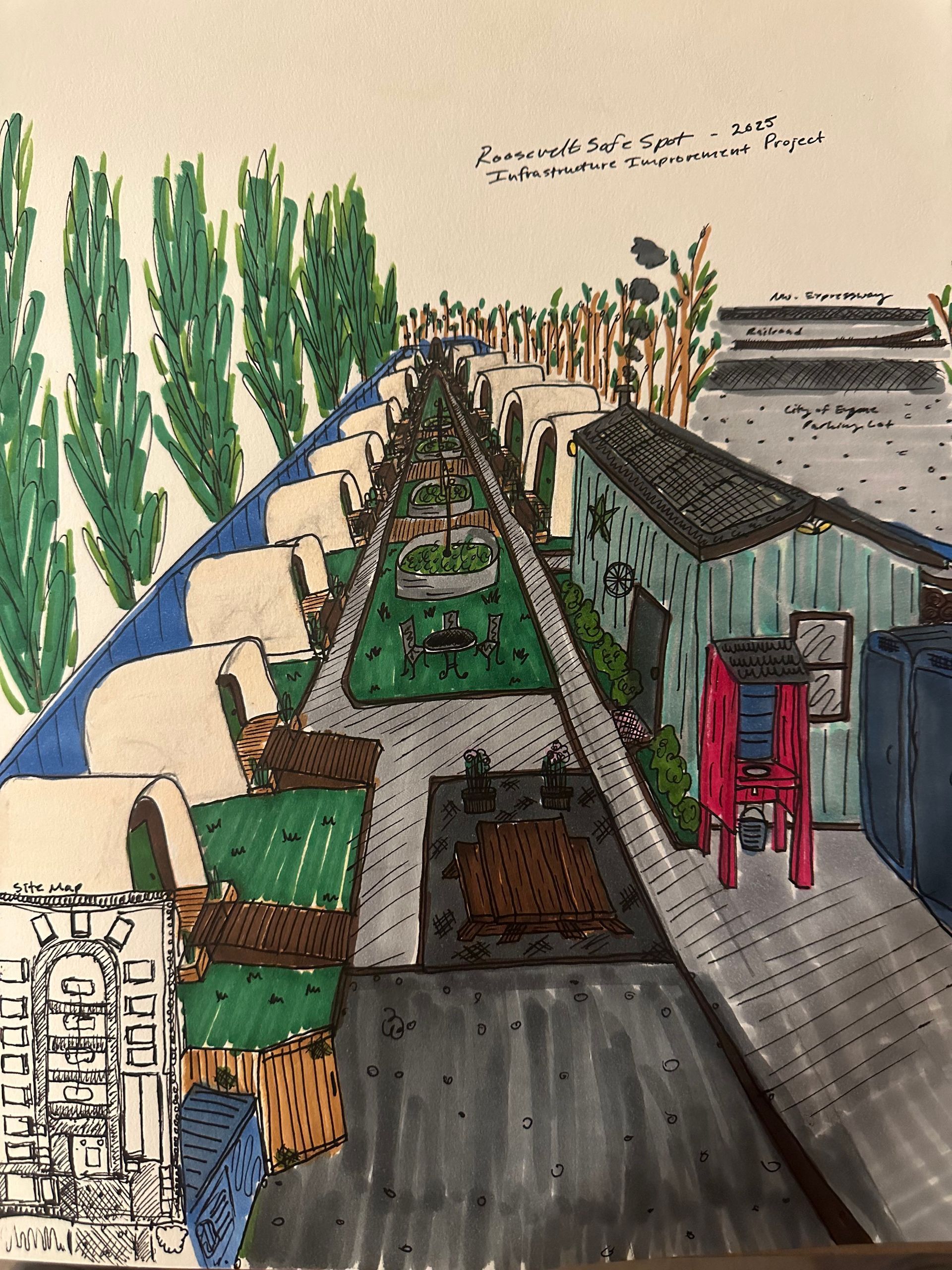
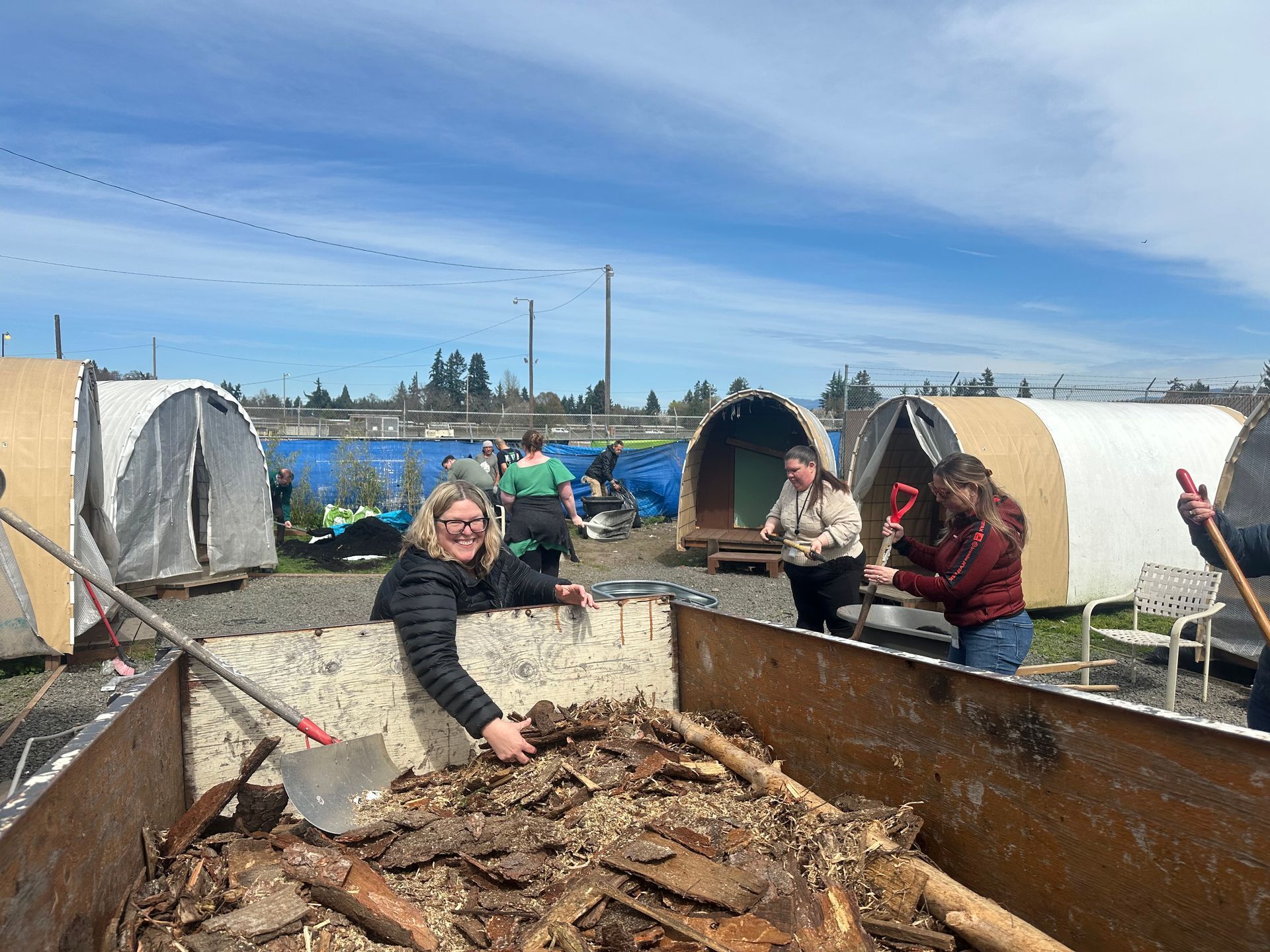
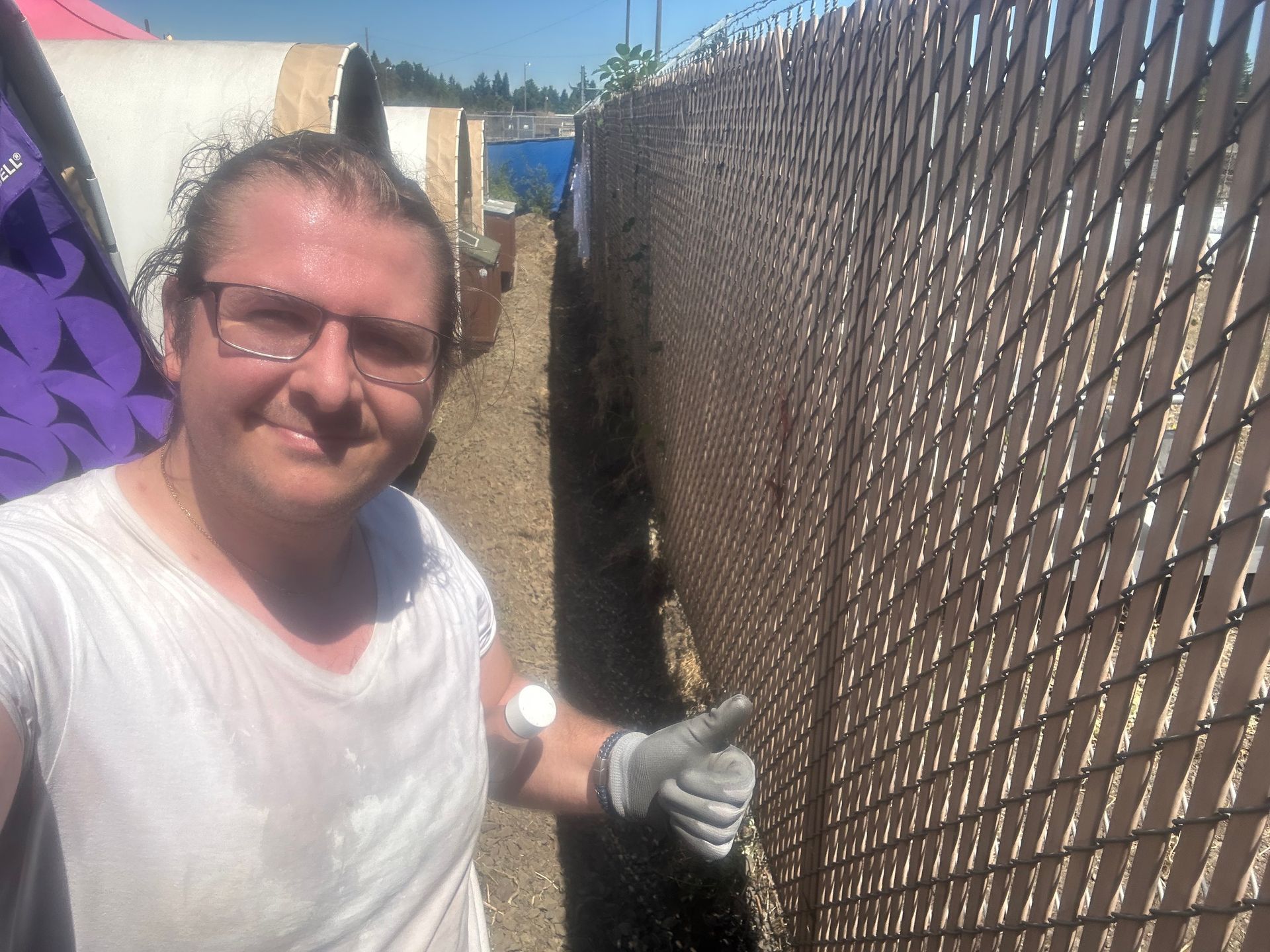
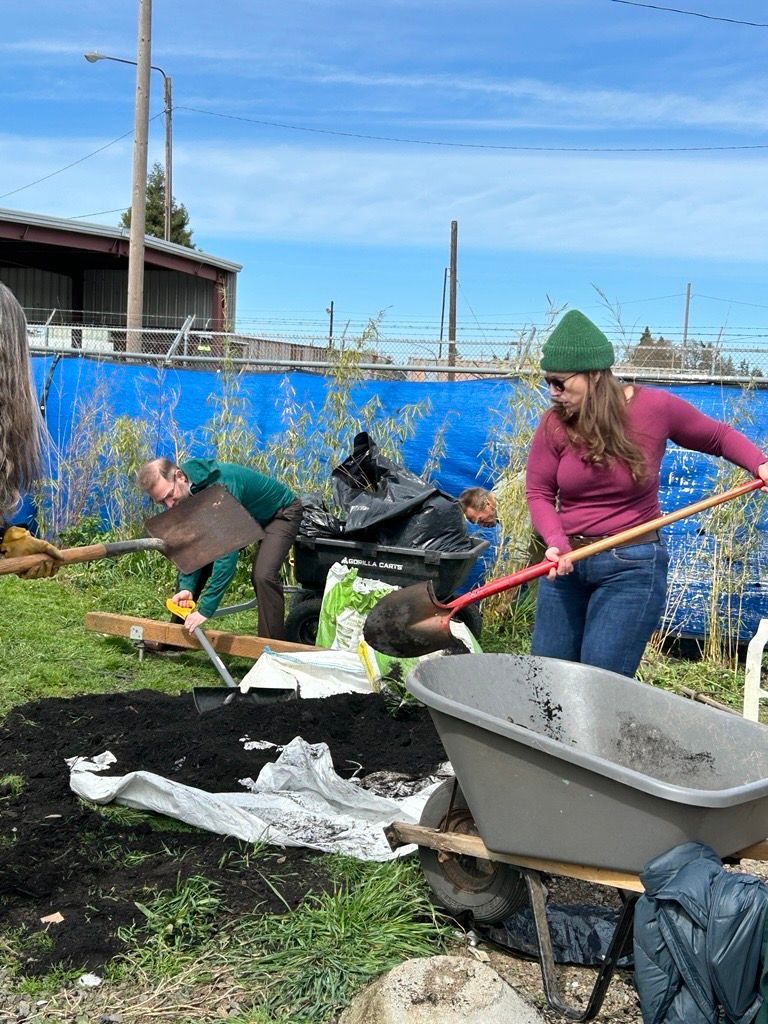
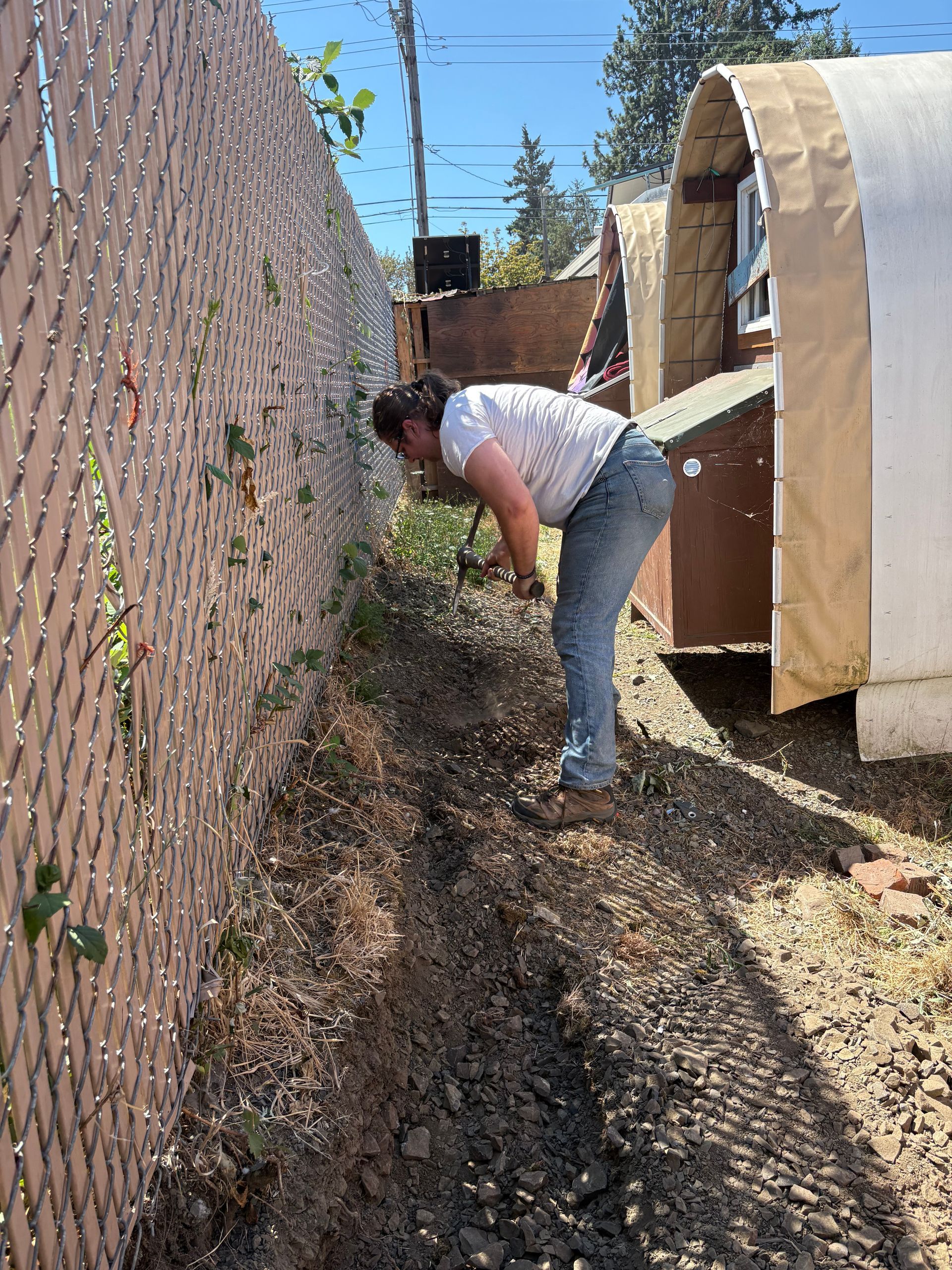
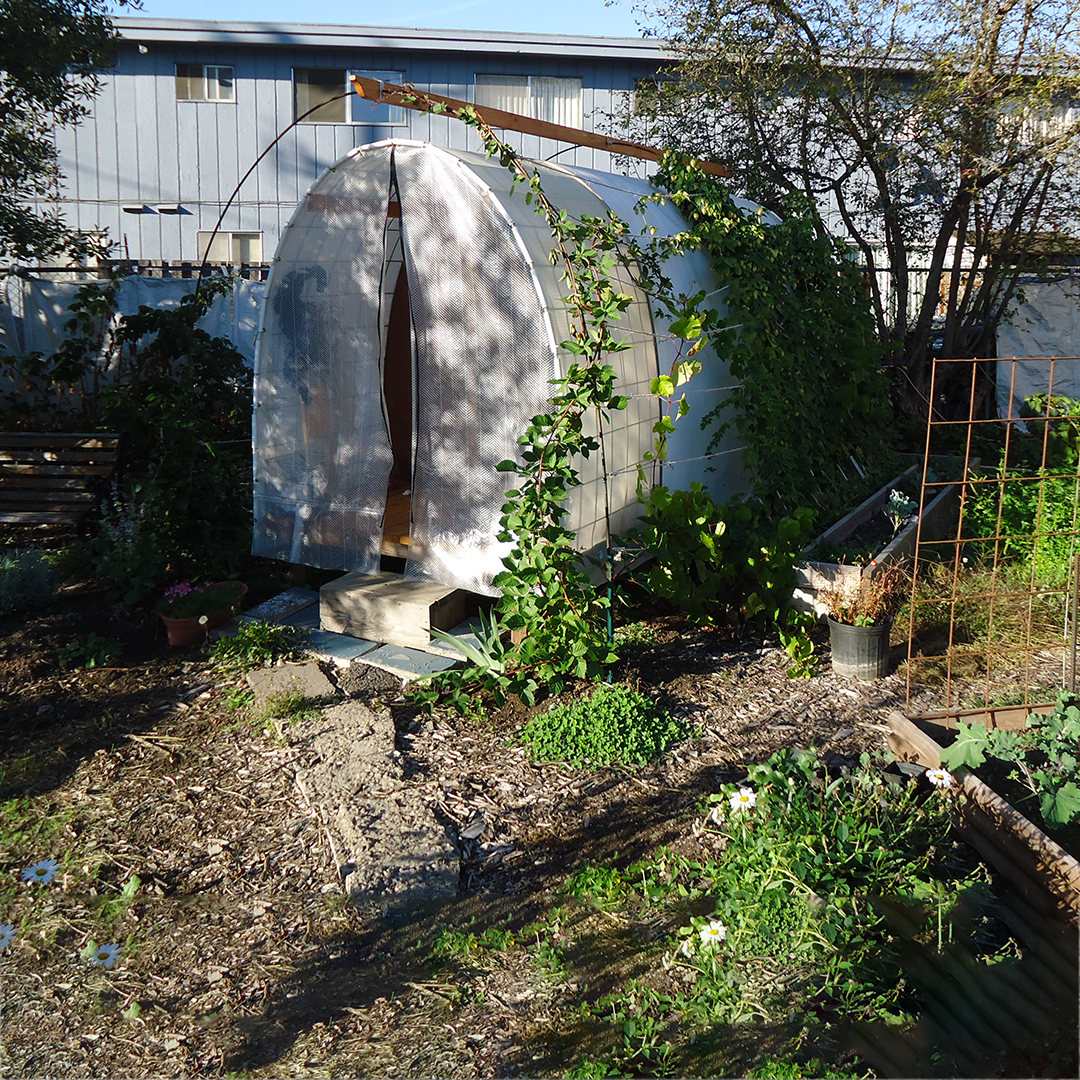
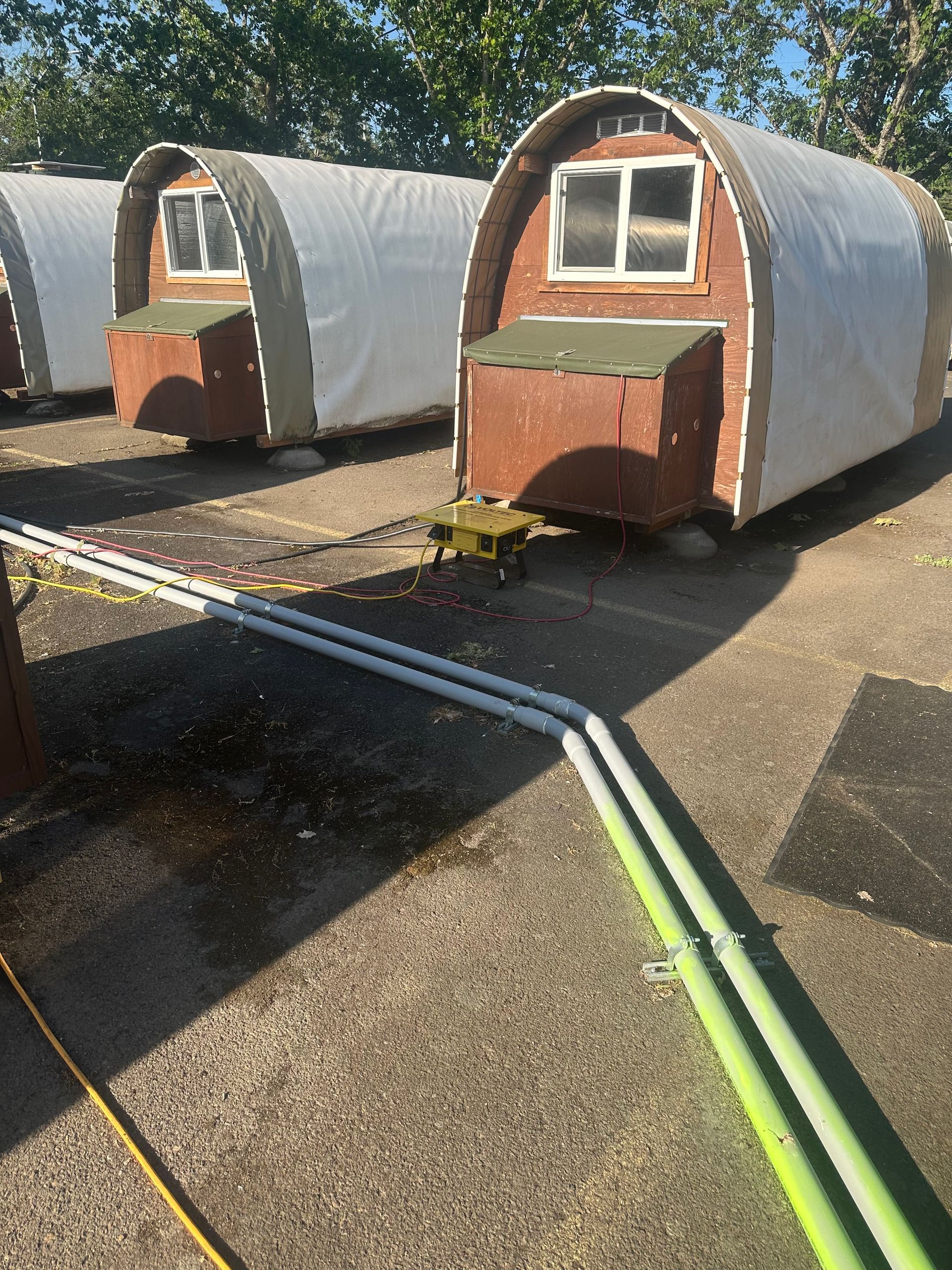
As part of a summer internship program with the Law Students Public Interest Fund of the University of Oregon School of Law, Kai, Business Administration Intern, worked with Trace to find the building and worked with Summit Structures on the design. The CSS facilities team and volunteer Hut Crew removed the previous community building. Square One Villages moved the navigation station and other structures on the property to make room for the new building. Nick, at 3D Construction, flattened the terrain, raised the ground level by 5 inches, and spread gravel over the entire property, helping to alleviate persistent mud problems—as well as improving livability and general accessibility of the site. The Community Room has wired-in electricity (thanks to EWEB and Weiland Electric), running city water (thanks to Tom’s Plumbing), a kitchen (thanks to the Hut Crew), electric heat, refrigeration, and a collection of couches surrounding an entertainment center with a TV and a DVD player. Lowe’s donated the flooring, interior paneling, and insulation, which were installed by the Hut Crew. The property was also surrounded by a perimeter of bamboo planted to create a beautiful natural barrier between the community and the railroad and city property next door. To top it off, the team from the Provider Room came out in March to create a community garden. “It’s been a very collaborative effort across our teams and partners,” says Blake.
“This was a very intentional process,” says Blake, “Roosevelt was a pilot project to figure out what things we would want to do for Common Room improvements at our sites.” We asked questions like, “How much would it cost to do this type of upgrade and what do people living in our community want?”