
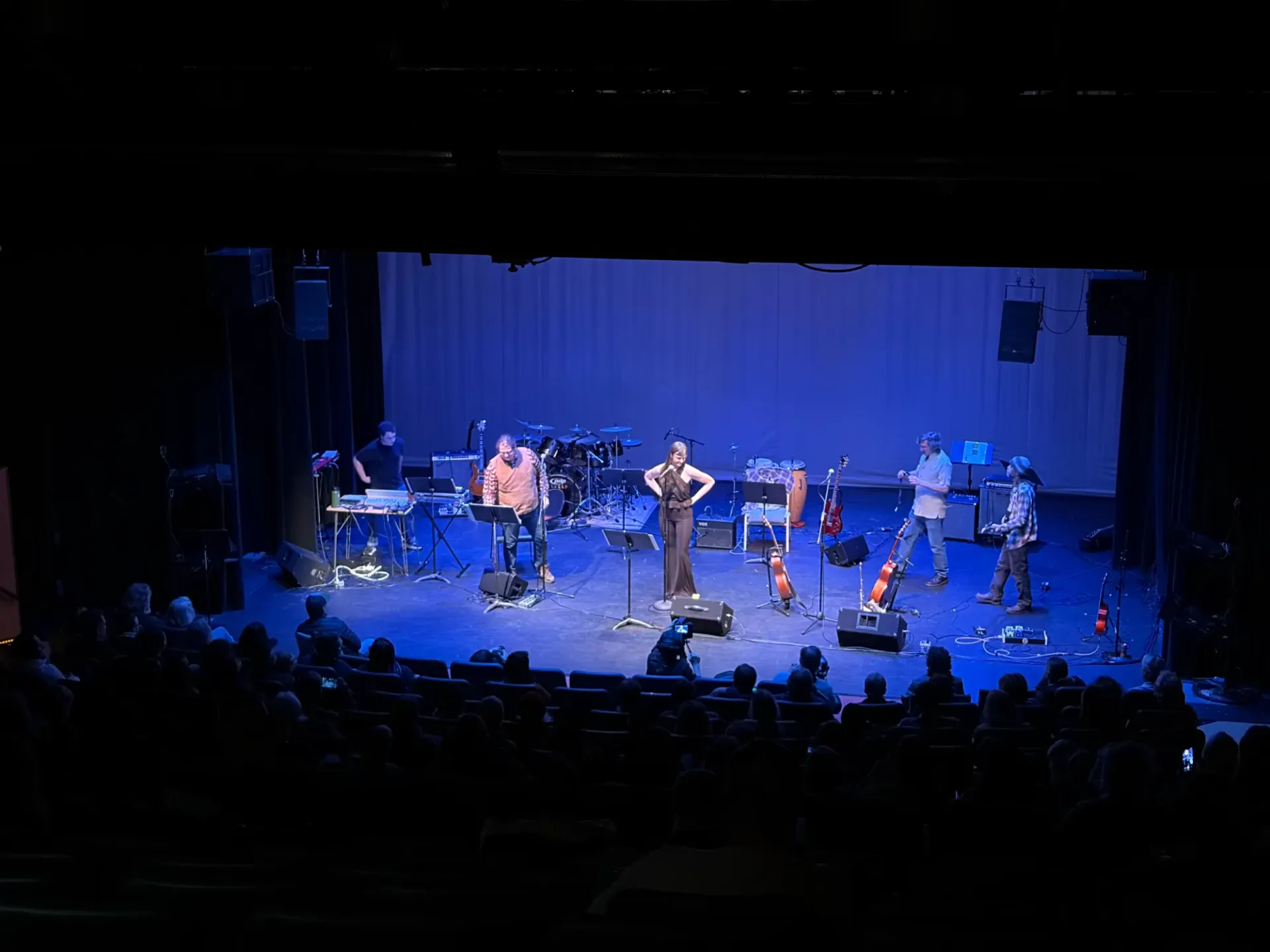
Musicians in Shantytown have experience with homelessness. Their songs speak of compassion. 

By Annie Aguiar • March 16, 2026

This article was originally published in Lookout Eugene-Springfield.

Jason Krueger has been in plenty of bands over the years: college bands in Eugene when he attended the University of Oregon, here-and-there jam sessions and Craigslist advertisement tryouts in Portland. 


His latest band, Shantytown, might be his most important yet. 


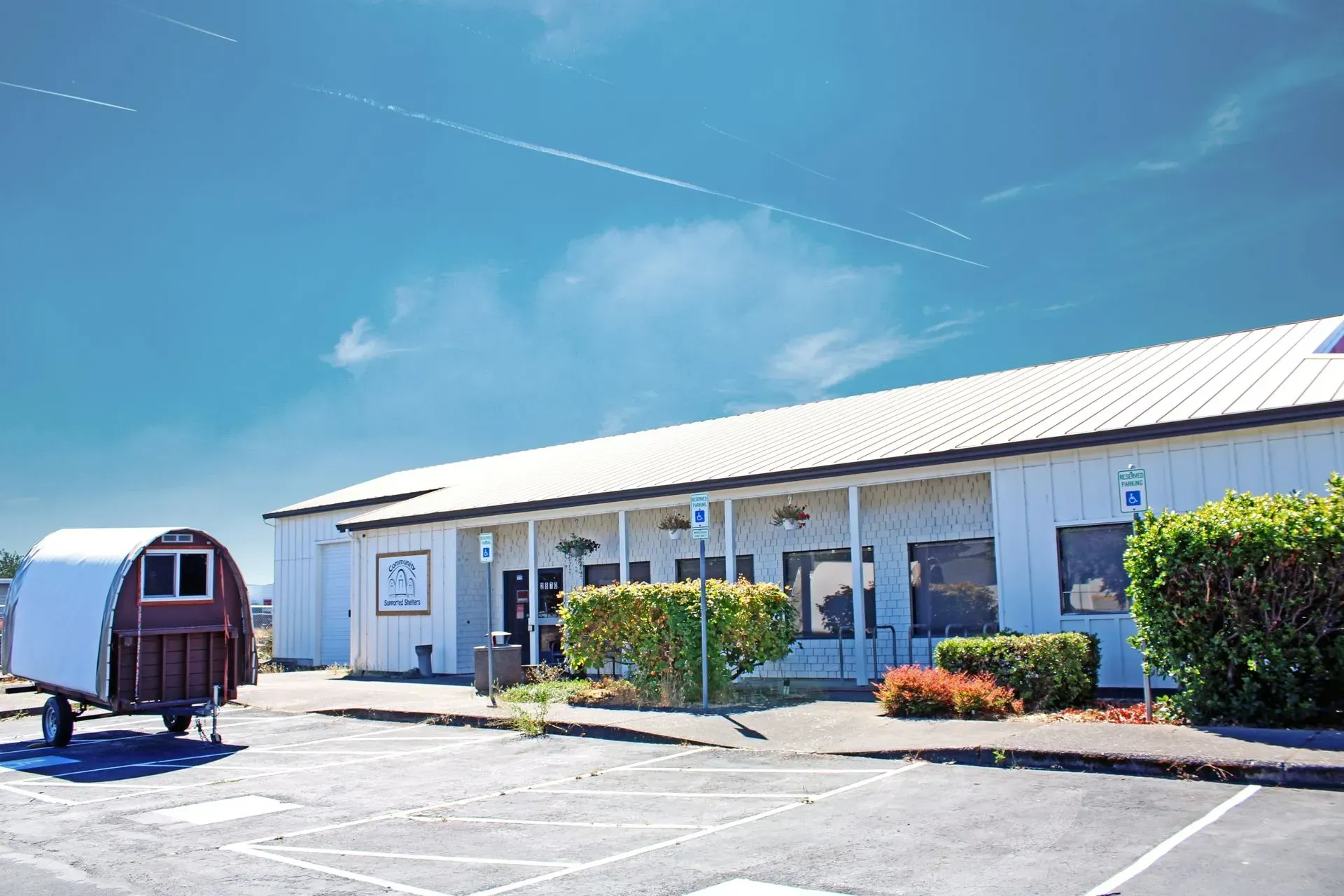
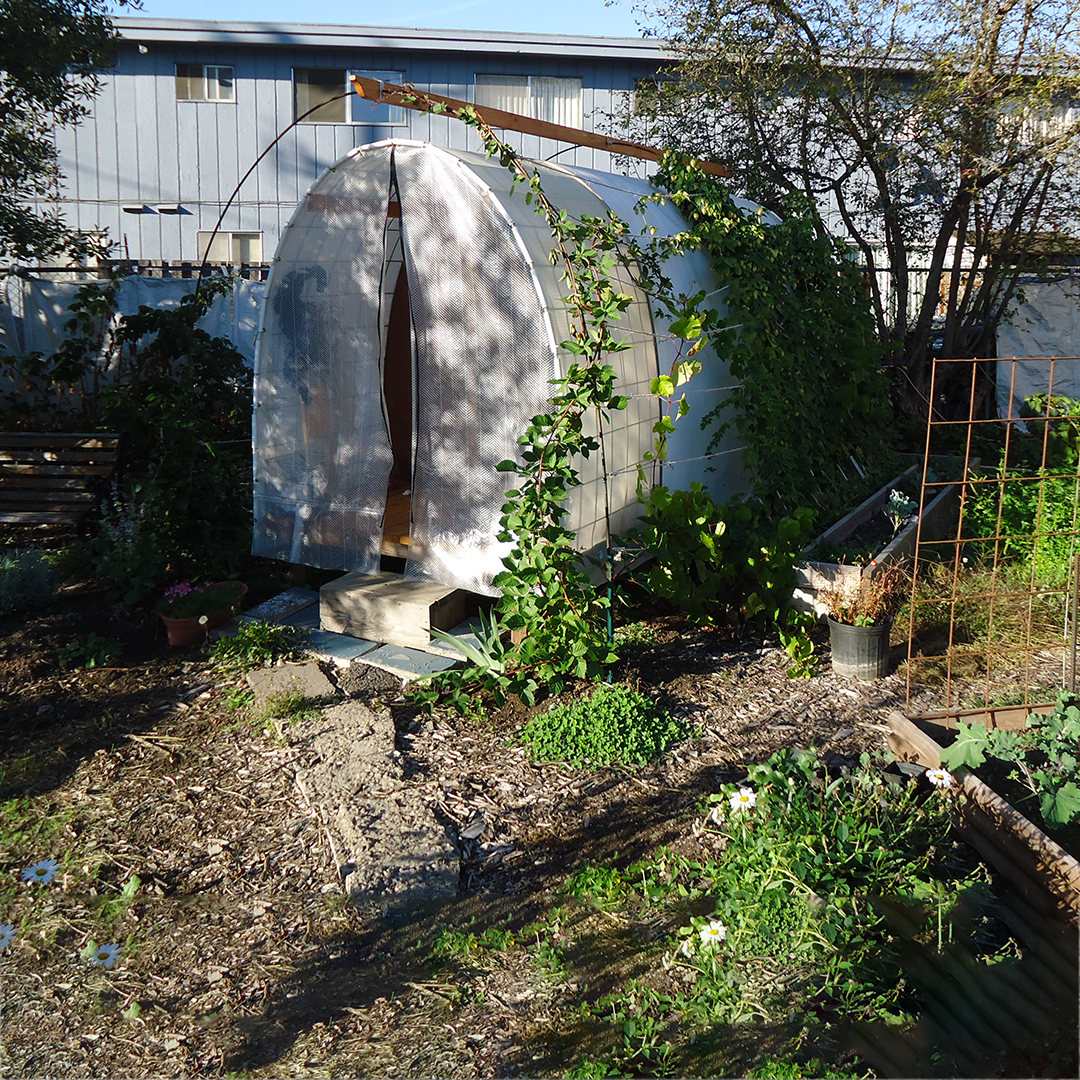
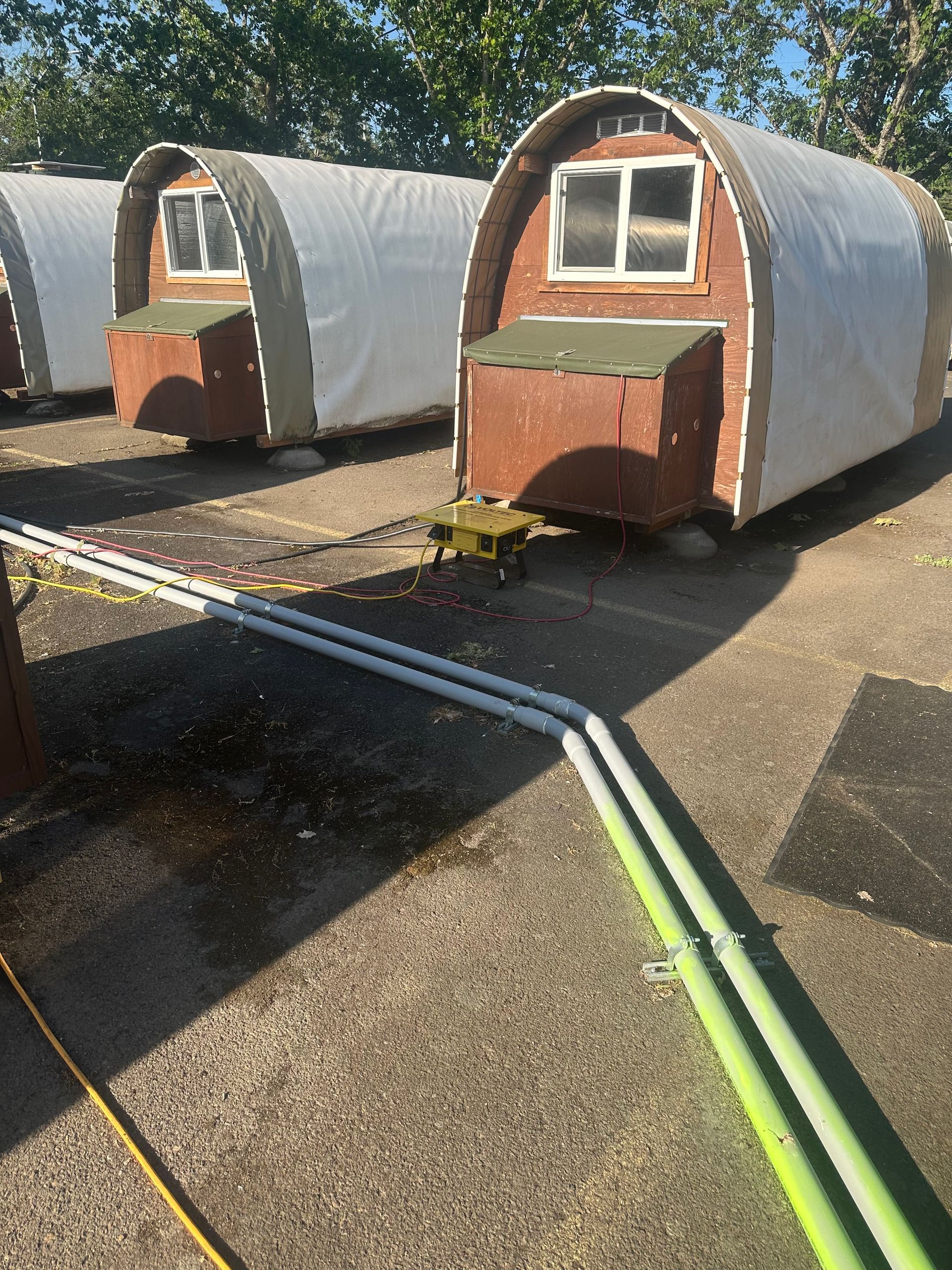
Shantytown is the latest project from Community Supported Shelters, the Eugene nonprofit organization that provides Conestoga huts and supportive services for the unhoused. 


The band is made up of clients and staff members from the nonprofit, and grew out of a regular weekend back porch jam session at their offices in west Eugene. Krueger, who plays the bass guitar and ukulele in Shantytown, said he and other Shantytown members started to call those sessions “music therapy,” but never “band practice.” 


“We didn’t ever set out to play a show,” said Krueger, a client-turned-support worker for Community Supported Shelters, who lives in a Conestoga hut. “If we had tried to play a show, it probably would have blown apart because there’s too much pressure.”

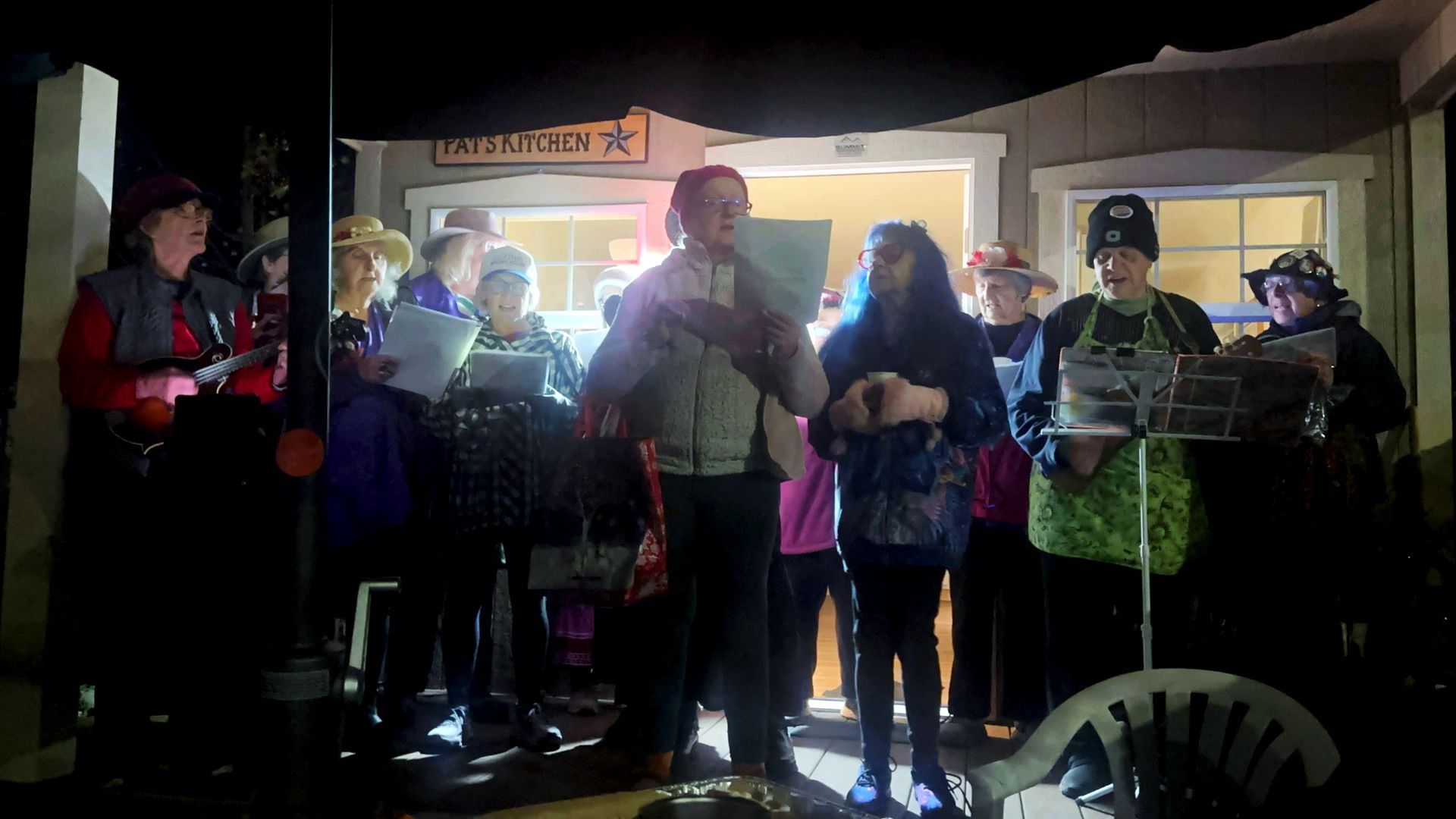
That changed earlier this month. On Thursday, March 5, the eight members of Shantytown had their first-ever onstage performance in Springfield’s Wildish Community Theater during the nonprofit’s annual Community Jam benefit concert. They played in front of an audience of supporters and clients of the organization who live in Conestoga huts. 


In her introduction for the band, Community Supported Shelters co-executive director Heather Quaas-Annsa said that anyone who has been unhoused or works in homelessness services knows the human struggle people encounter can take a toll. A jam session here and there helps lighten the load.


“Music is one of the most important and powerful and successful ways that we have to process life’s daily challenges,” she said. “That’s really what brings the members of Shantytown together.” 
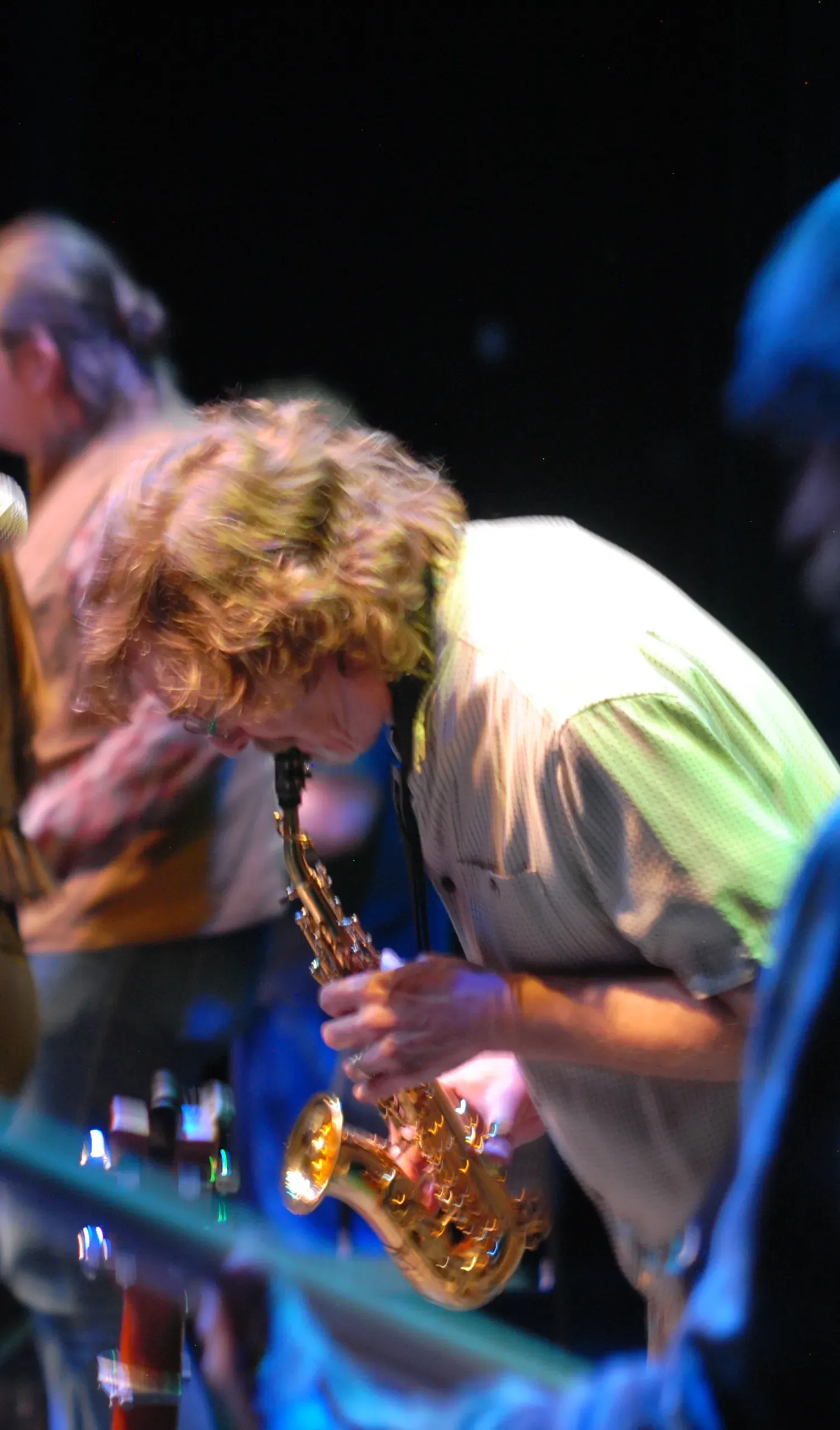

Getting Back on Stage

There was a time Krueger, now 54, thought he would never play in a band again. 


He first picked up a bass guitar while growing up in Billings, Montana, and later joined a few bands after moving to Eugene to attend the University of Oregon. He studied business and worked for the technology company VersaLogic, which specializes in embedded computer systems. He quit playing music.


Things changed after a move to Portland. He found that even after doing everything he had been told he should do — graduating college, getting married, having children, working at a company, moving to a big city — he was still unhappy. He got a divorce, quit his job, and started answering ads for auditions. He was in four bands in Portland when his mother was diagnosed with cancer, and he moved back to Eugene.


When COVID-19 hit, he decided to do van life — the trendy, intentional lifestyle choice to live as a nomad to prioritize freedom and travel — out of his truck. Soon, the appeal faded. 


“About six months into van life, my money started running out,” he said. “I realized, ‘Ah, this isn’t van life. I am an unhoused person sleeping in my truck on the streets of Eugene.’”


From there, he researched local organizations that could give him a hand and found Community Supported Shelters. He got into a Conestoga hut, and nine months in asked if they had any work for him. 

He’s worked in laundry, showers and maintenance for the nonprofit, and struck up a conversation with Will Alkin, who recently retired as Community Supported Shelters’ workforce coordinator. They discovered they both played music, and talked about jamming one day.


That was close to two years ago. From there, with permission from leadership, they started jamming on the back porch at a consistent time on Saturdays. Krueger has been the main band organizer and manager, keeping things consistent. 


Krueger is the only Shantytown member currently living in a Conestoga hut, while guitarist Chris Plourde is a former resident of the original Roosevelt Safe Spot community the nonprofit ran about a decade ago.


The group grew week to week; three months before the Community Jam, Quaas-Annsa asked if Krueger and company would want to play at the Community Jam. 


Leading up to Shantytown’s first performance, Krueger was reflective on his path across the last 30-odd years, from technology business to homelessness to charity concert.


That included repairing once strained relationships. The concert at the Wildish was special to him beyond just being Shantytown’s debut: Two of his sons, his granddaughter, and his sister were in the audience. 


“I am just amazed to be sitting here and this is happening,” Krueger said in an interview before the concert. “I never imagined that this would be the trajectory of my life.”


Building Shantytown 


Mellinda Poor, service navigation manager for Community Supported Shelters and the lead singer and songwriter for Shantytown, had been working on developing her songwriting skills when she joined the sessions. 


She came up with the band name, a nod to homelessness services and an observation on how the weekly sessions formed. “One weekend somebody might come, and one weekend another person might come,” she said. “We’ve sort of just been this amalgamation.”


Her songs for Shantytown generally center on the importance of compassion. She said “Rebels of Love,” the final song of the night, most closely embodied the spirit of the organization.


“That song is about how it’s a rebellious act to love people unconditionally,” she said. “Especially people that other people have decided are not worthy of love. We’re going to keep doing it, no matter what people call it.”


It may seem serendipitous that enough people in one nonprofit had the organic performing chops to gather, build a rhythm as a band, rehearse for three months and debut in a live concert. 


But Krueger said service work is like a filter, weeding out people he wouldn’t want to be around — and tending to collect people who know their way around a tune.


“It attracts people who are kind and empathetic and care,” Krueger said. “Those people tend to be incredibly creative.”

News & Events

To stay connected to CSS, subscribe to our quarterly newsletter. If you are a member of the media who is seeking info, contact community@cssoregon.org.

Subscribe to Newsletter
August 6, 2026
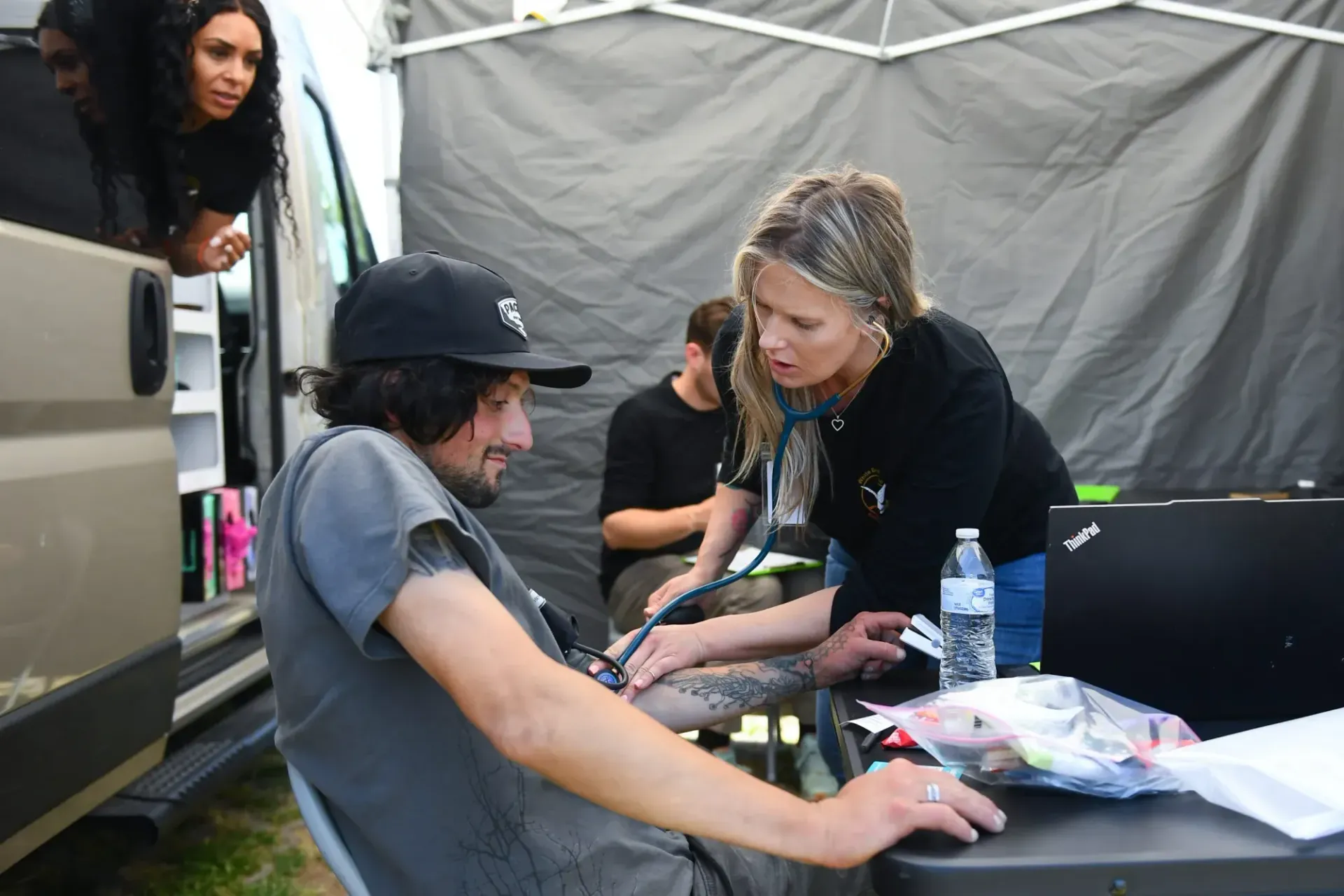
White Bird Clinic launched a new mobile medical clinic in partnership with Community Supported Shelters, bringing health care directly to unhoused patients.
August 5, 2026
Ending homelessness takes community. Every person who finds shelter, secures housing, or starts a new job does so because people choose to be part of the solution.
August 4, 2026
Sustainability has always been at the core of CSS’s mission to provide “practical, ecologically aware solutions that restore dignity and make a lasting impact.”
August 3, 2026
A couple of years ago, Jennifer Yeh was looking for nonprofit work that makes a difference locally. “I don’t know what could fit that more than CSS,” she says.
August 2, 2026
"I witness moments of kindness every day at CSS," says Davia Thomas, 22. Davia, who has been volunteering with CSS since October 2025, helps out at the front desk.
August 1, 2026
Thank you to our construction and design team for turning a vision into reality. You created an office space that will serve our community for years to come.
July 23, 2026
Gratitude for our dedicated volunteers and donors for the donations, support, and care. We could not do it without you!
July 22, 2026
We don't operate Nightingale with a designated site host or shelter manager. The governance of our community is largely influenced by principles of sociocracy.
July 21, 2026
“Nightingale gave me the stability to become someone who could help others do the same," says Candace, who became CSS staff after graduating from Workforce. 
July 20, 2026
CSS added internet infrastructure in 2026. Community members can now use wi-fi to stay connected with family and services and search for housing and employment.
Show More