Creating Shelter Communities With Sustainable Electricity and Water
By Guy Maynard and Jennifer Yeh • August 4, 2026
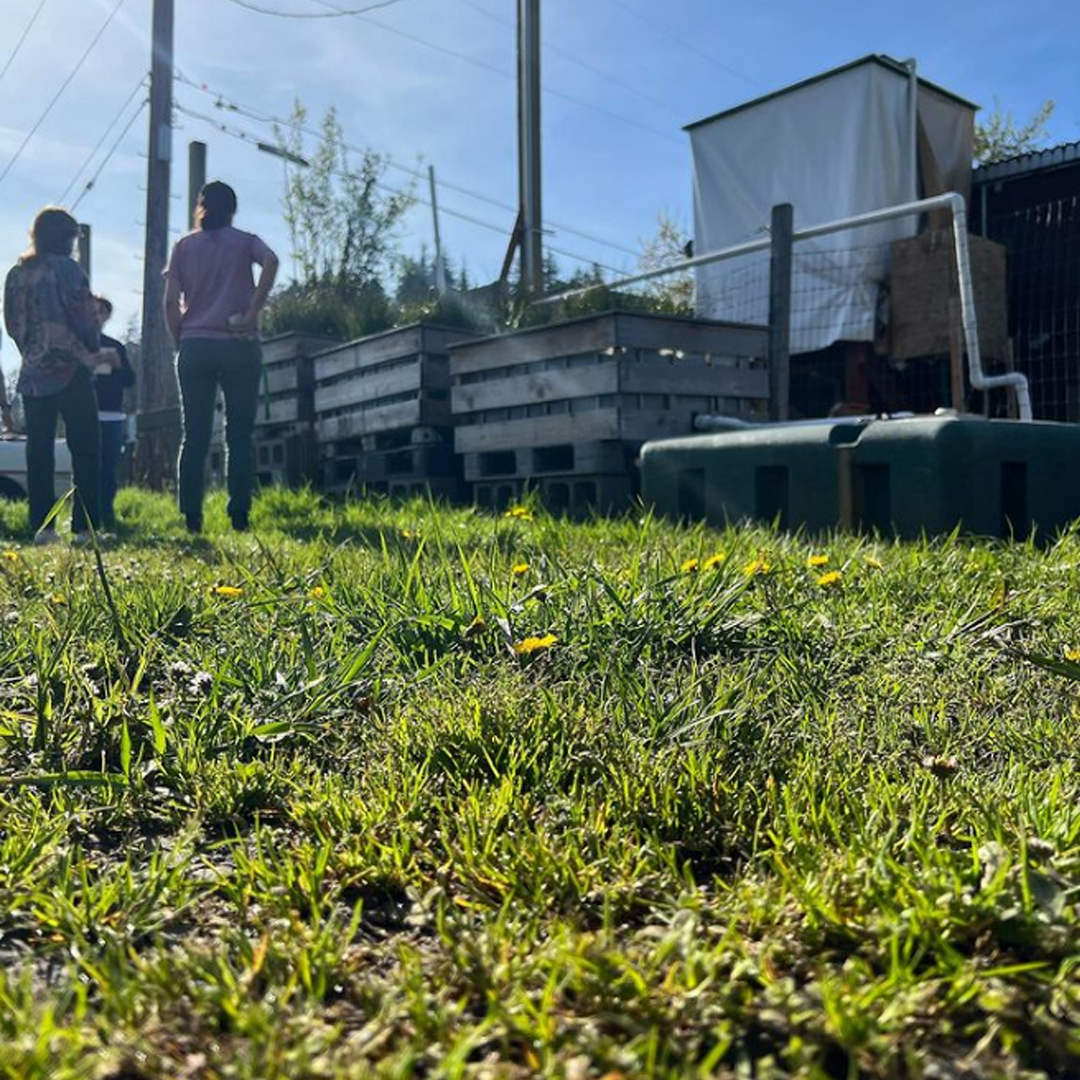
Sustainability has always been at the core of CSS’s mission to provide “practical, ecologically aware solutions that restore dignity and make a lasting impact.”
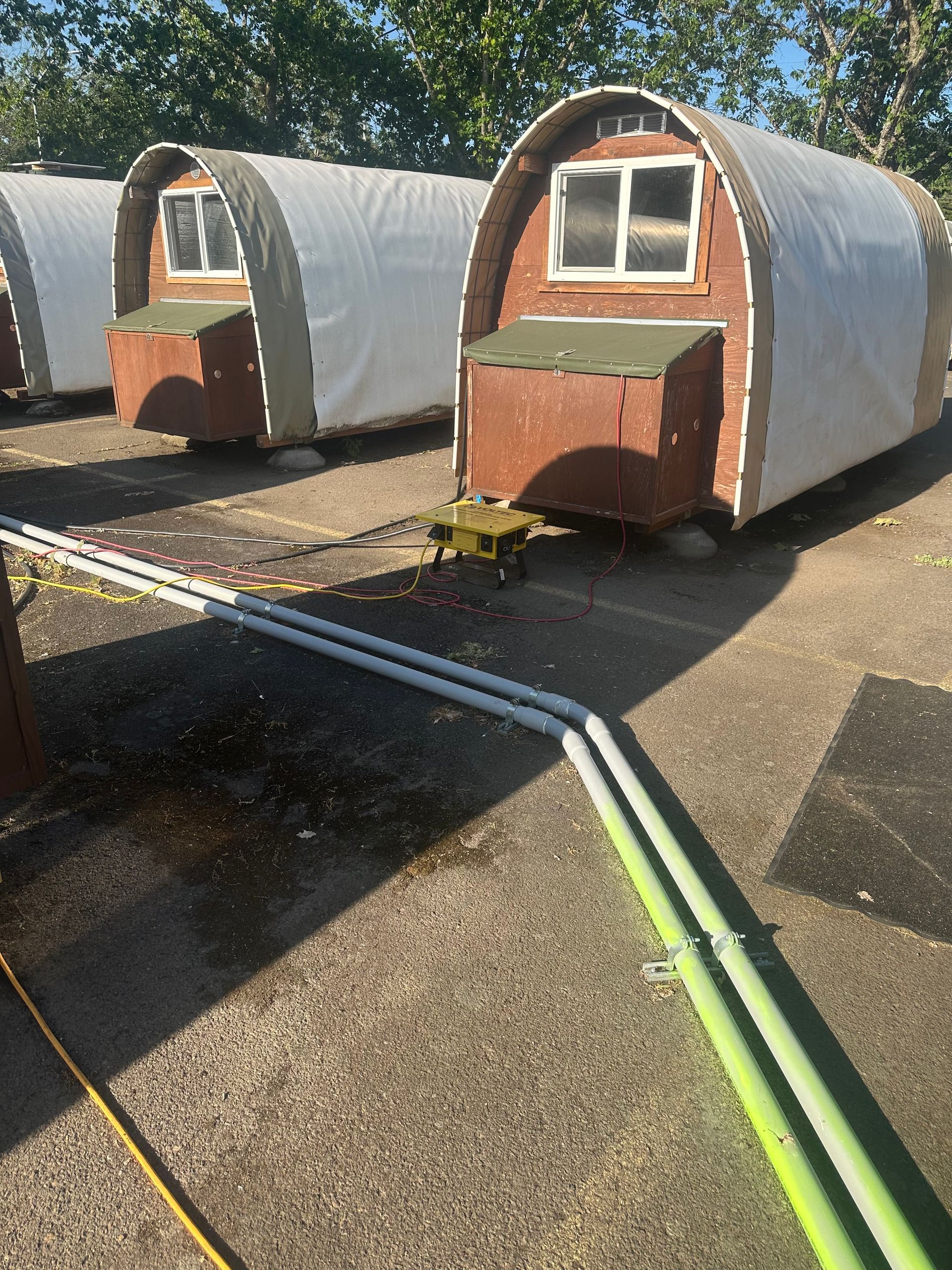
Solar energy has long been used in CSS communities, but it has been developed piecemeal over time. Major upgrades in 2023–24 brought uniformity, greater reliability, and the ability to monitor the solar systems. At first, those systems primarily provided charging stations for community members' cell phones, a vital communication tool for people trying to rebuild their lives, and basic lighting in community rooms. Recent improvements to the solar systems provided upgraded lighting and electricity to community rooms, security cameras, and Wi-Fi access for many communities. The systems also power high-capacity water pumps for graywater filtration systems in four of the larger CSS communities, another major sustainability initiative.
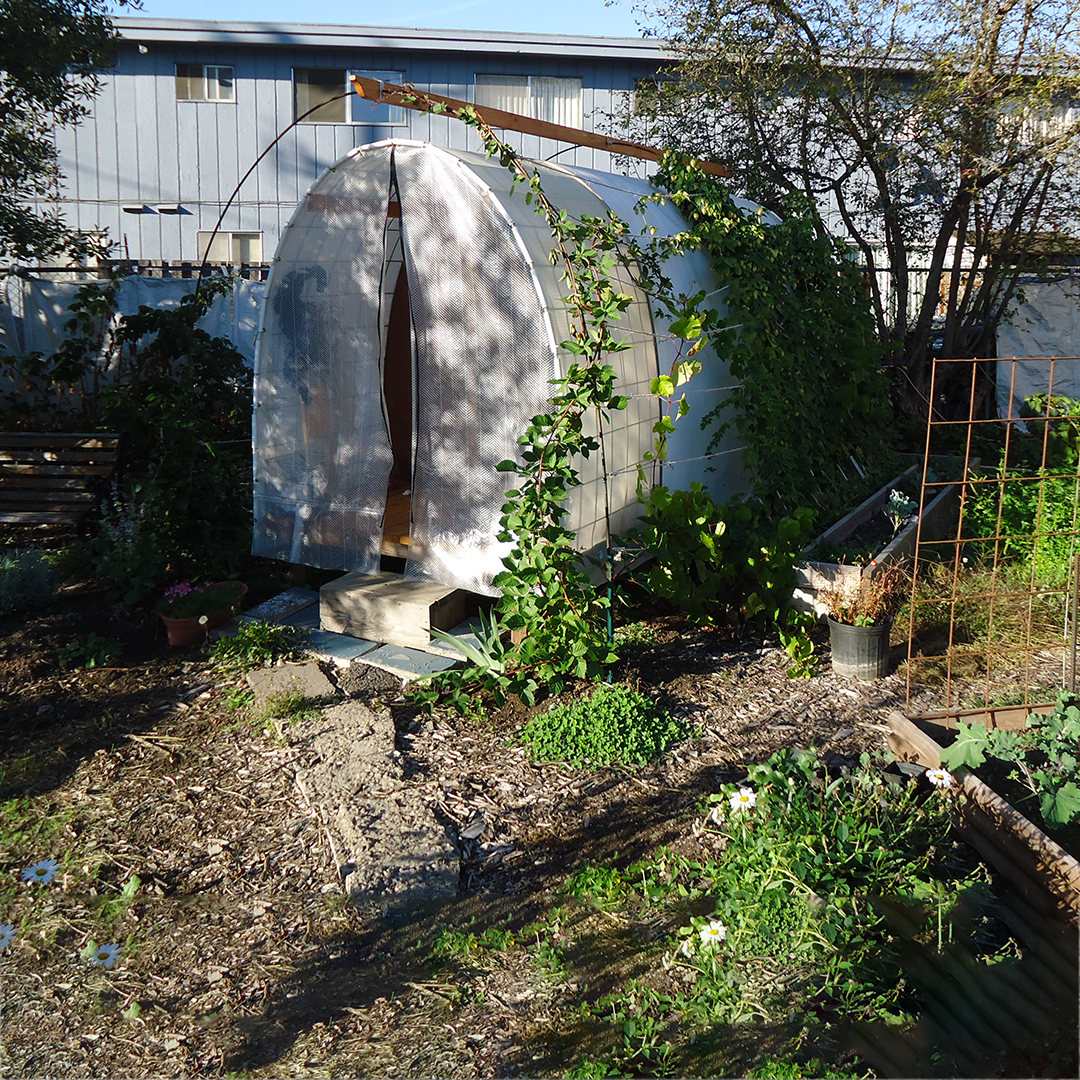
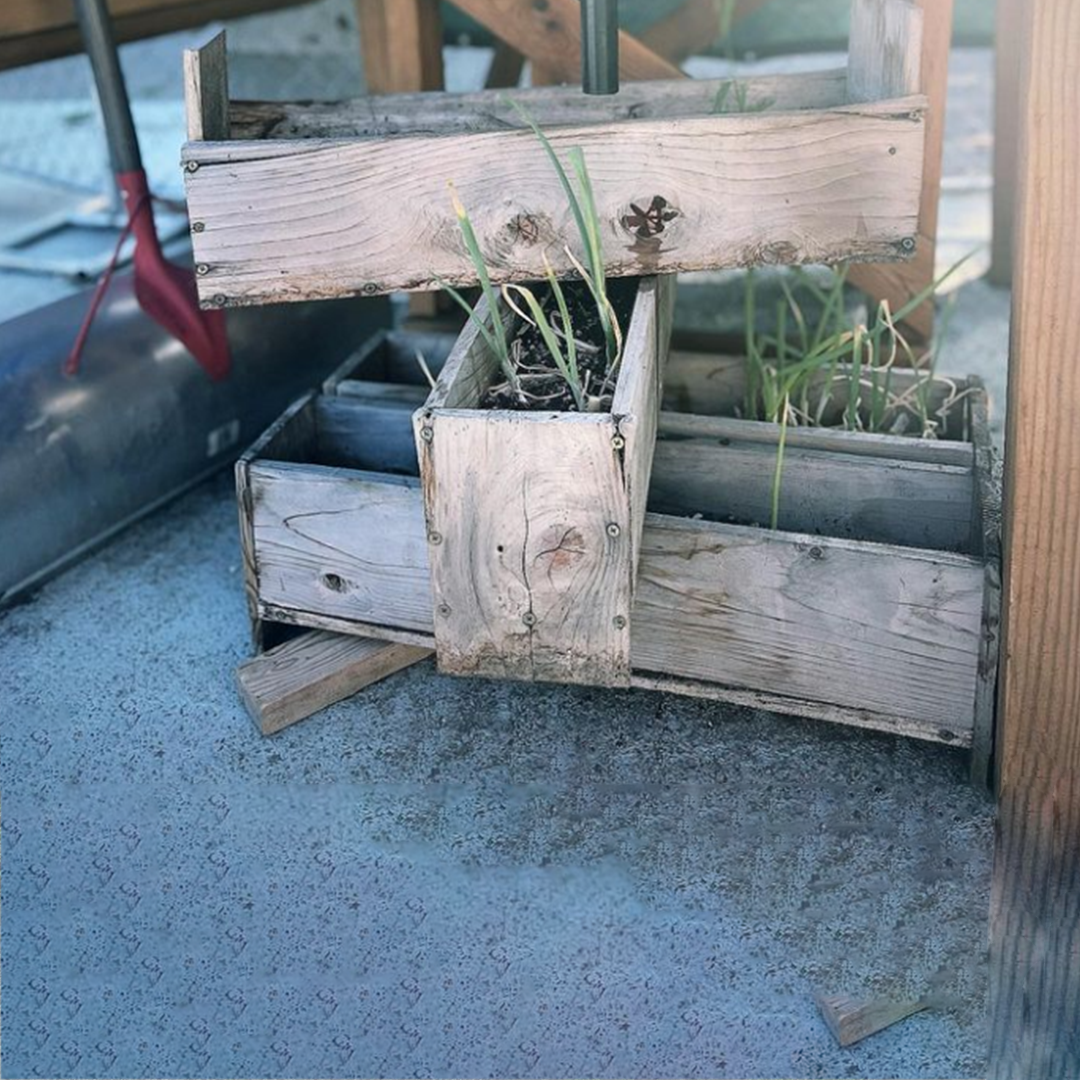
Initially funded by two grants from the Oregon Country Fair’s Jill Heiman Vision Fund, the systems for filtering graywater—wastewater from sinks—were developed by Kory Russel, assistant professor of Landscape Architecture and Environmental Studies at the University of Oregon, and his students. They have worked with CSS staff members to develop, install, assess, and improve the systems at the majority of the Safe Spot Communities.
The system takes advantage of the remarkable abilities of native aquatic plants such as rushes, horsetails, and sedges. Water reed plants are especially effective in graywater filtration systems because of their ability to regulate water through evapotranspiration and tolerate fluctuating conditions. They naturally draw up and release water back into the atmosphere, and their resilience to both saturated and dry conditions allows them to thrive in systems with fluctuating water levels.
“You’re taking the basic function of a wetland, and you are shrinking it into a box,” says Dr. Russel.
Before these systems were installed, CSS manually hauled away the graywater from the communities. Hauling water cost CSS around $12,000 annually, contributing to greenhouse gas emissions, and carrying the risk of accidental spills during transport, according to CSS Facilities Manager Dustin. “We hauled 3000-5000 gallons of clean water per week to our communities, and then we turned around and hauled up to 2,000 gallons of graywater out. It was very important work, but inefficient and costly.”
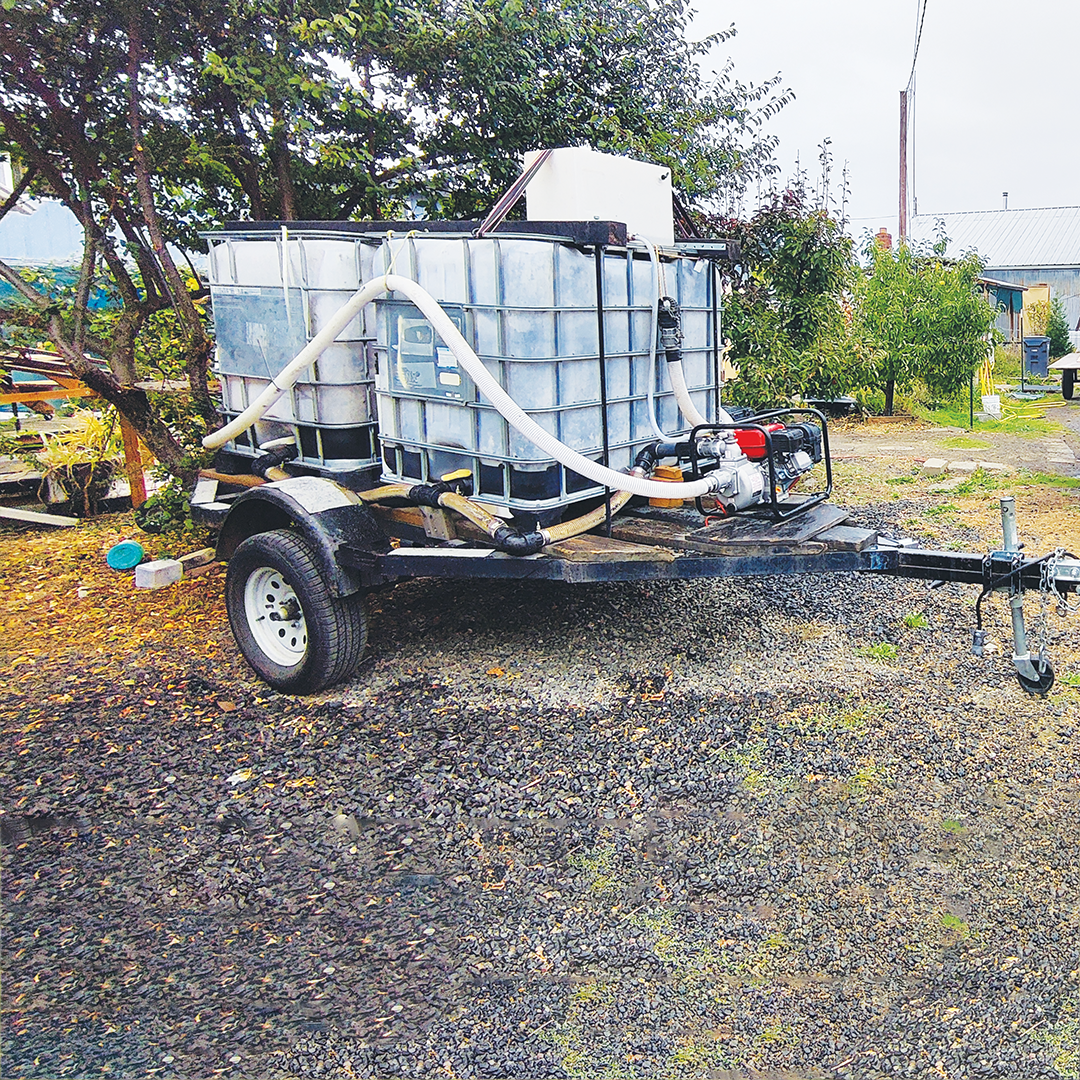
Clean water still is hauled to some communities (two have access to city water), and some graywater still has to be hauled when the amount exceeds the current capacity of the filtration systems, but Dustin estimates the amount of hauled graywater has been reduced by about 53,000 gallons a year. That’s a lot of gas not being burned, carbon dioxide not being released into the atmosphere, and CSS time and money saved.
But Dr. Russel’s group and CSS are already looking at further improvements to the system and related sustainability efforts. “The immediate next step is to consolidate and scale up the systems that currently exist as CSS consolidates the number of communities they are operating,” Dr. Russel says. “During this consolidation, we will be installing and upgrading the systems based on a number of lessons we have learned over the last several years.”
Among those lessons, Dustin says, are the need for more effective grease traps and more powerful water pumps, which can now be run from the solar systems because of recent improvements.
An additional prospective improvement is adding filtration beds and connecting them to drip irrigation systems for the community gardens—another example of how targeted infrastructure investments can advance sustainability plans while improving conditions for community members.
Dr. Russel’s vision extends beyond the immediate next steps for his work with CSS and he has support to follow through: This past spring he and his co-instructors Kim Karlsrud and Peter Olsen were able to secure funding from the William’s Instructional Grant at the University of Oregon to make work on the graywater planters and potentially other water and sanitation projects at CSS a part of the focus of their joint Environmental Design 289 course over the next three years.
He has some exciting ideas: “Longer term, rainwater collection could significantly augment the water uses that communities could engage in while not requiring additional water trucking. Much further out, I would love to engage students in a design challenge to rethink and redesign the porta-potty situation, where we could capture methane gas for cooking while improving the bathroom experience for residents and reducing costs for CSS. The goal with all these future projects would be to improve community sustainability, ideally lower operating costs, and improve the living experience of clients.”
“The work with CSS has been both rewarding and has advanced my research,” Dr. Russel says. “The core of my research is how do we implement sustainable water, sanitation, and hygiene services in challenging locations all around the globe. So, working with CSS here in Eugene has been an amazing opportunity to engage my research close to the University, which in turn means the ability to get more students involved.” He attributes a lot of the success of the graywater projects to Dustin and CSS Maintenance Crew worker Zech. “Dustin has been an amazing partner throughout the work and has made everything we have done possible,” he says, “and Zech did a ton of construction work with me.”
“Integrate environmental sustainability into operations” is part of the CSS Strategic Plan, and Dustin succinctly sums up current CSS efforts: “We’re doing it,” he says.
In an interesting serendipitous potential outgrowth of the work of Dr. Russel and his students at CSS, he has been in discussions with folks at the Oregon Country Fair, which provided two rounds of funding for the CSS graywater systems, about how these systems could be used at the fair to help manage graywater and improve overall sustainability.
You Gotta Nourish to Flourish
All donations to the Community Supported Shelters Nourish Fund will be directed toward nourishing the lives of unhoused individuals through employment prep, peer-led support groups, arts entrepreneurship, and more.
News & Events
To stay connected to CSS, subscribe to our quarterly newsletter. If you are a member of the media who is seeking info, contact
community@cssoregon.org.