CSS's Neighborhood Hygiene Station:A Concept for The Future of Meeting Basic Human Needs
Sept. 15, 2020
What does the future hold for human society? 2020 has been a year of constant change and adaptation for us all. Through all of this, though, a truth remains: human beings have basic needs to sustain life: food, water, shelter, and transportation are essential to support our personal well-being. As more people end up without shelter, how people meet these needs will also change. Society will need to adapt to a new set of environmental and economic realities.
These changes have led CSS to act to help meet the hygiene needs of people without shelter by creating a small-scale, neighborhood hygiene station called The ReBoot Station. Unsheltered people can sign up to get a shower, a nutritious meal, hygiene supplies, new clothes—and then go about living their lives
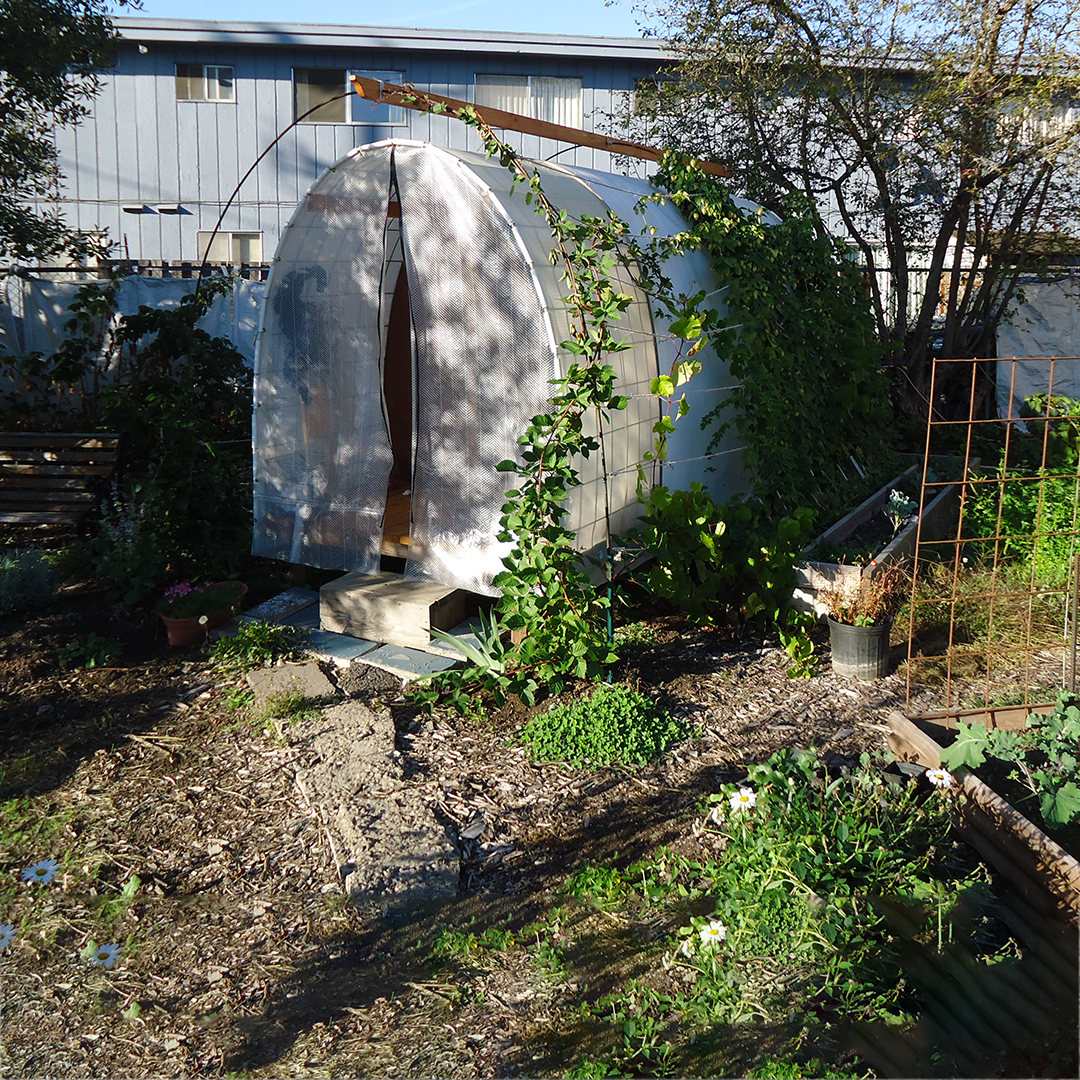
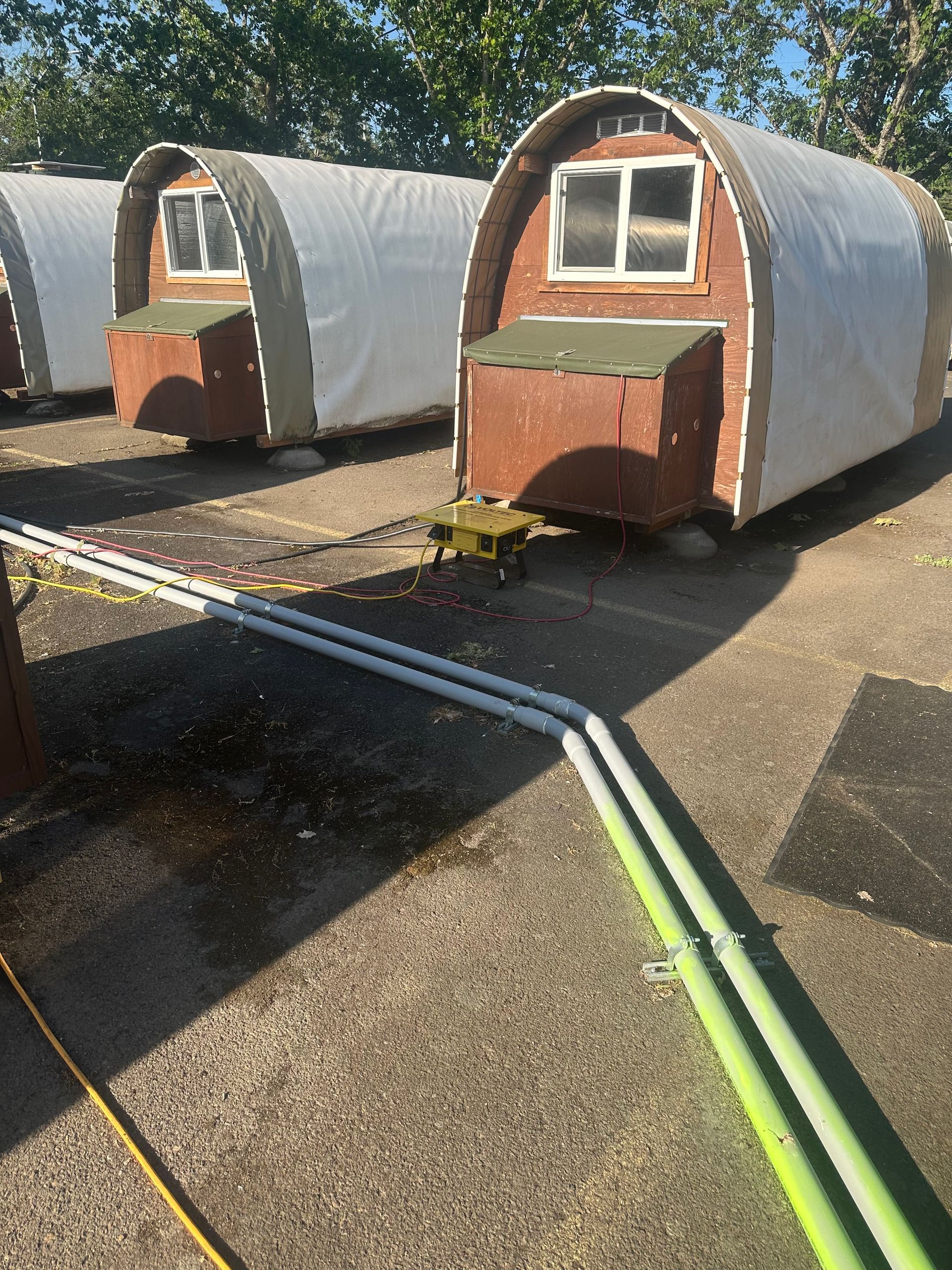
The hygiene station is grouped with a Microsite of six Conestoga Huts occupied by people all working toward a higher quality of life for themselves. Three of the seven residents are paid, part-time employees helping with showers and meals. At this point, the ReBoot Station is open for three hours per day, three days a week and provides an average of 50 to 70 showers per week.
I know that providing showers and meals to unsheltered folks is not a new concept and our numbers are low compared to other service providers. So what makes this model project noteworthy? It’s not what it does but how it does it. The big impact comes from the value of smaller, more spread-out hygiene stations combined with Microsite shelters.
Take a tour of the Microsite.
The ReBoot Station is nestled in with neighborhood businesses and shares an alleyway with residential homes. We have received zero official complaints about the project from the nearby business owners and residents, and some have even thanked CSS for making use of the vacant lot. We attribute the lack of negative, intolerant reaction to its small-scale design.
Here’s how it all works in a nutshell:
Up to eight people wishing to use the shower wait under a 200-square foot canopy tent outside the hygiene station. There are eight chairs spaced roughly six feet apart. Four people are admitted into the station at a time.
After being admitted, a guest washes their hands and checks in. They can get hygiene supplies (razors, feminine hygiene products, toothpaste & brushes, etc.) or new underwear or socks to go along with getting clean.
While people wait at a tent inside the station for a shower (with four socially distanced chairs), they receive a warm nutritious meal and can go through the donated clothes.
The shower trailer is on loan from the University Fellowship Church, while we explore the concept of installing a permanent, permitted, durable, campground-style bathroom that would also be ADA accessible. The mobile unit has soap/shampoo dispensers, a private and lockable space to dress, and two standing shower stalls with a single warm temperature setting.
The site has been toured by city officials, representatives from Trillium, CSS donors and supporters, and others. Many support the concept of small-scale, dispersed Microsites with hygiene stations as a strategy to make these basic services more accessible and the sites more compatible with a variety of neighborhoods.
As our needs continue to grow and change, so will our strategies for working to truly stabilize our community. We need to adapt our community’s infrastructure to help us all weather the storms we must face. We hope our first hygiene station will serve as a model for what should become standard throughout urban areas. In the same way that cities build parks, libraries, and fire stations as core components of good city management, they should recognize the need for shelter and hygiene stations as fundamental responsibilities of good governance.
This year has taught us that we need to get our heads out of the idea of returning to “business as usual” and start planning for the real challenges ahead. The sooner we make this mental adjustment the sooner we can begin creating supportive infrastructure to meet the basic needs of people in this ongoing housing crisis.
News & Events
To stay connected to CSS, subscribe to our quarterly newsletter. If you are a member of the media who is seeking info, contact
community@cssoregon.org.