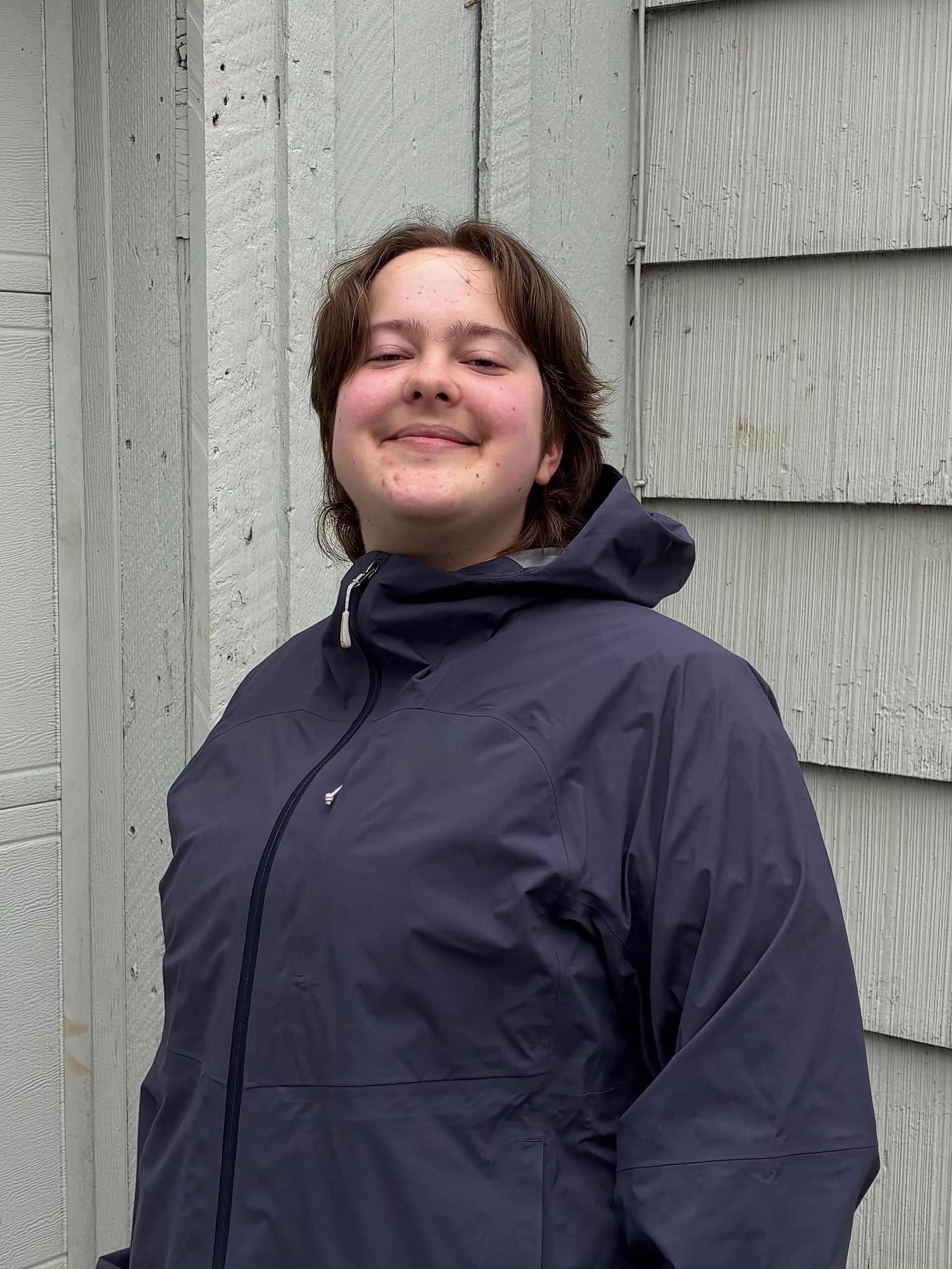

The Merriam-Webster Dictionary defines a navigator as “one who navigates.” Further it defines navigate as “to make one’s way over or through.” At Community Supported Shelters, the role of the Service Navigation Manager is precisely that: to assist clients in making their way over and through challenges to a place of sustainability in their lives, including with housing. And you would be hard-pressed to find a better navigator than Mellinda Poor.
Three years ago, as the world was cautiously emerging from the COVID pandemic, Mellinda decided it was time to transition from her job as a full-time mom. “I thought I needed to be out there. People really need help right now,” she says. She applied for and was hired as a Service Navigator. After working as a navigator for approximately a year she was promoted to the position of Service Navigation Manager.
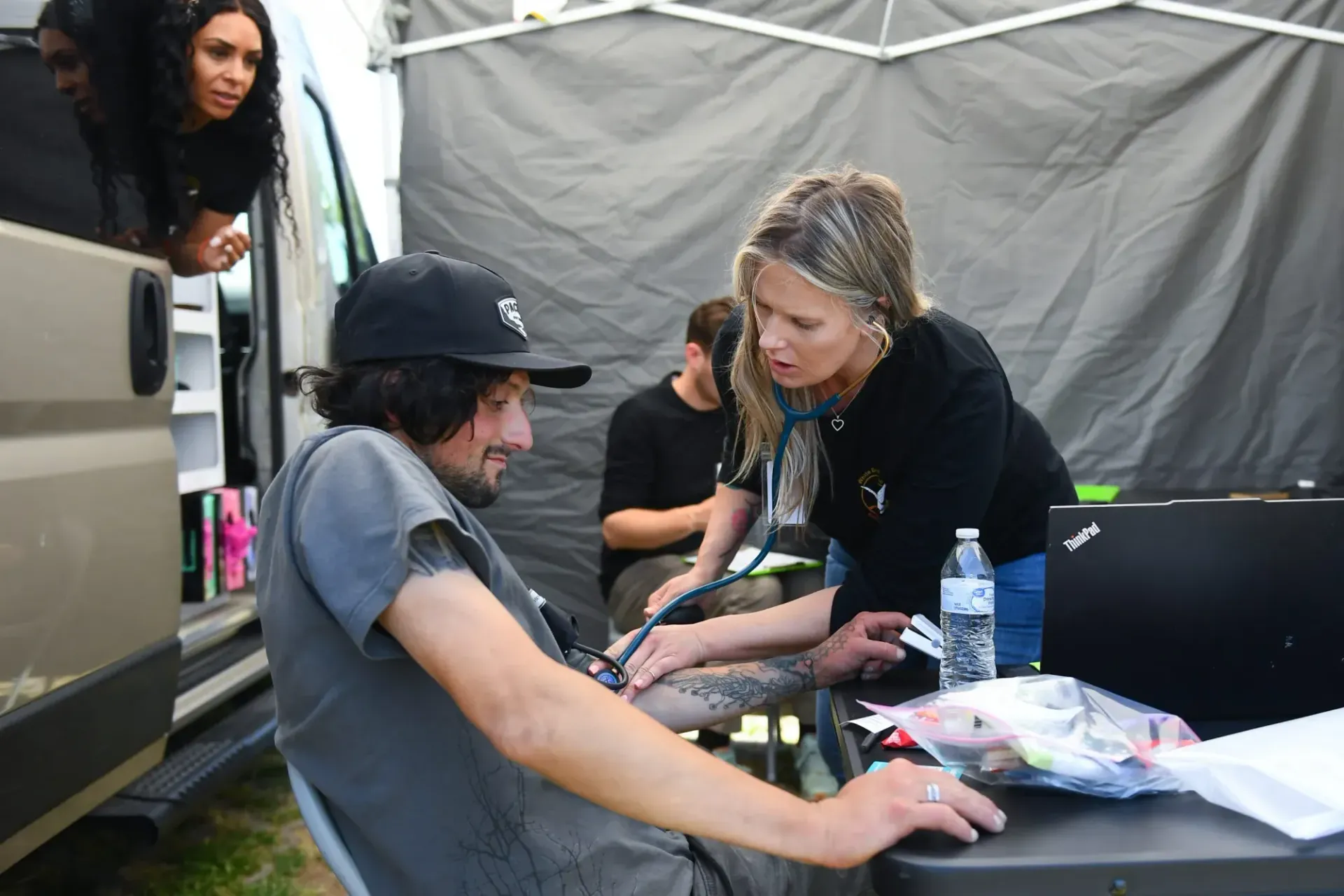
Mellinda explains that the CSS Navigators focus on more than just housing. “We navigate a whole plethora of social services . . . because immediately upon getting into this role, I recognized that you must have a multi-faceted approach to helping people move forward with their lives.”
When new CSS clients enter the program, the Navigation Team will develop a unique Individualized Shelter Plan for each. “We sit down, and we go over what their goals are. We ask pointed questions on each area of navigation,” Mellinda says. Areas of focus for service navigation include: “health care, housing, behavioral healthcare, legal, and sometimes issues of obtaining legal identification. We delineate and prioritize what steps we can take together during their time in the program to move forward with life, meeting everyone where they are at the moment.” There is no set timeline. “We respect what they want to work on, what they’re not ready for right now, and whether they want to be engaged with us or not.” Mellinda saw that often, new clients need time to decompress and adjust to their new environment before being ready to engage with the Navigation Team.
Ultimately, the goal for every CSS client is to transition to permanent and sustainable housing. In a market with a low inventory of affordable rentals, this is a significant challenge. Rental assistance such as Section 8 vouchers are available, but acquiring them is a long and competitive process, and securing one does not guarantee housing. “99.5 percent of our clients can’t shop for housing in the open market, so we work with them to get on wait lists as they open up,” Mellinda says. “July 2022 was the last time Section 8 opened for two weeks. We’ve got folks on there if they were lucky enough to get within the top 3000 in the lottery.
"We have some clients with Section 8 vouchers because they got on the 2019 waitlist. They have been waiting five years for those vouchers to come through.” And even if they get a voucher, Mellinda says, on average over 40% of voucher holders are unsuccessful in their housing search because affordable housing isn’t available.
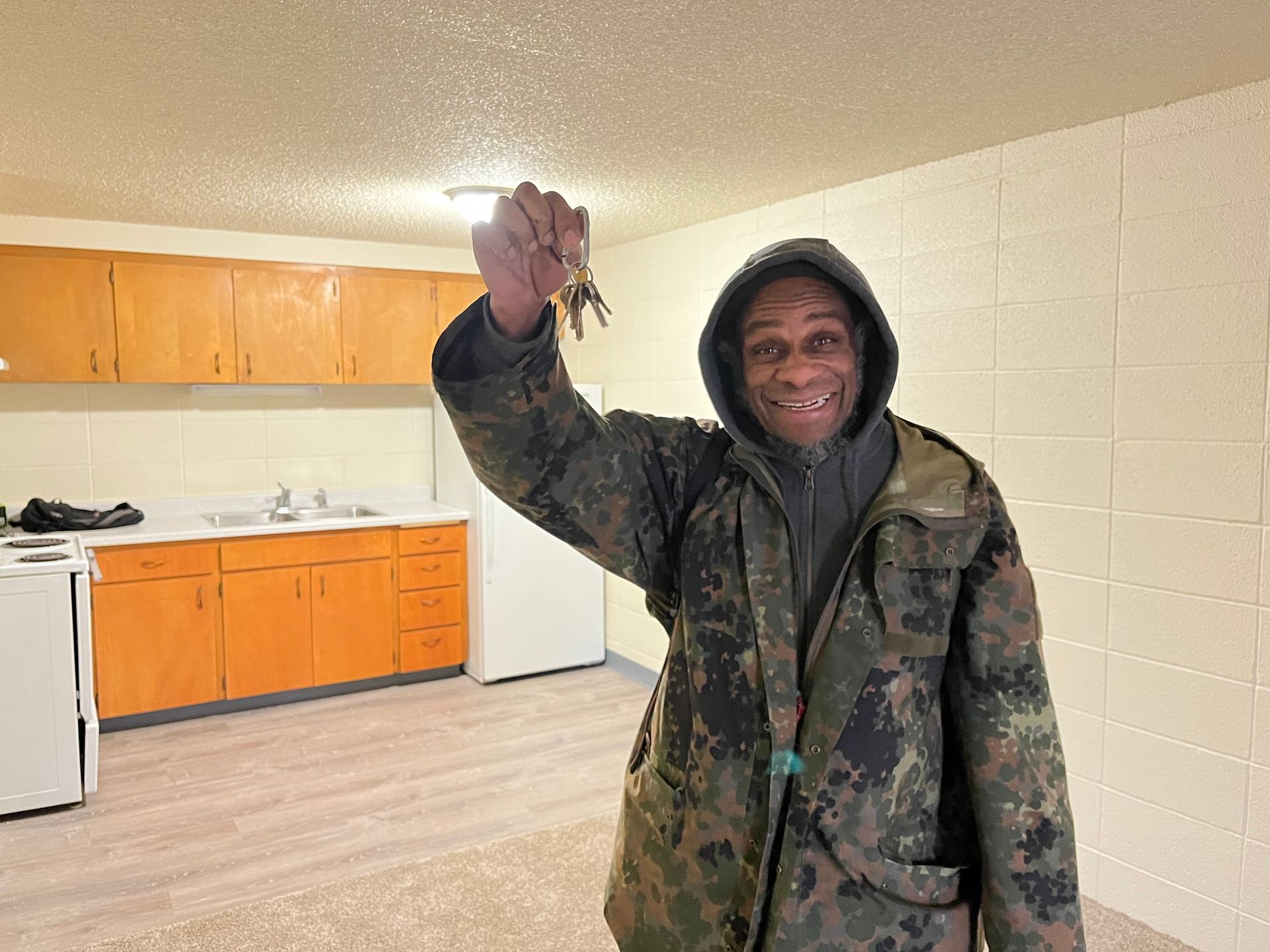
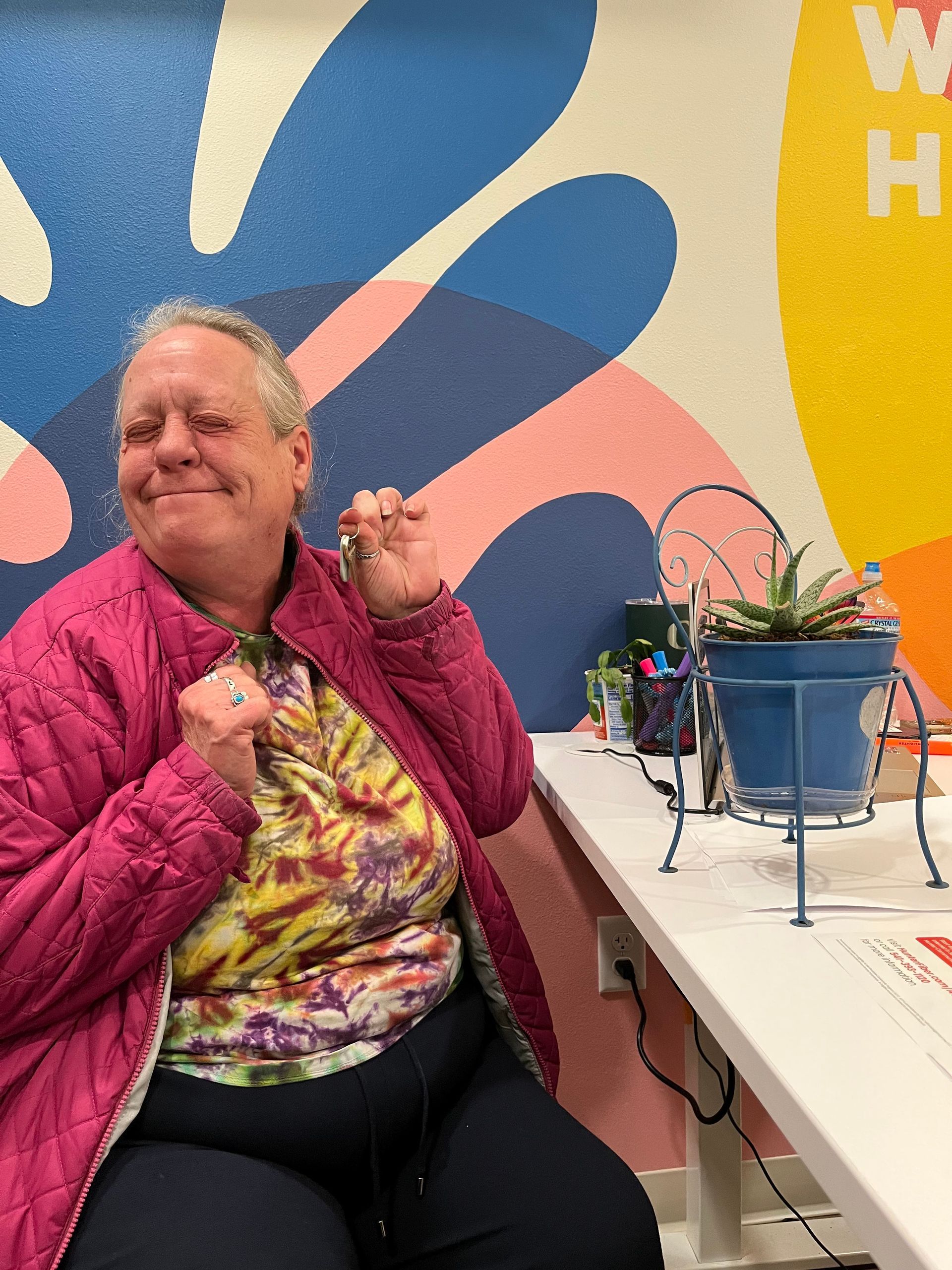
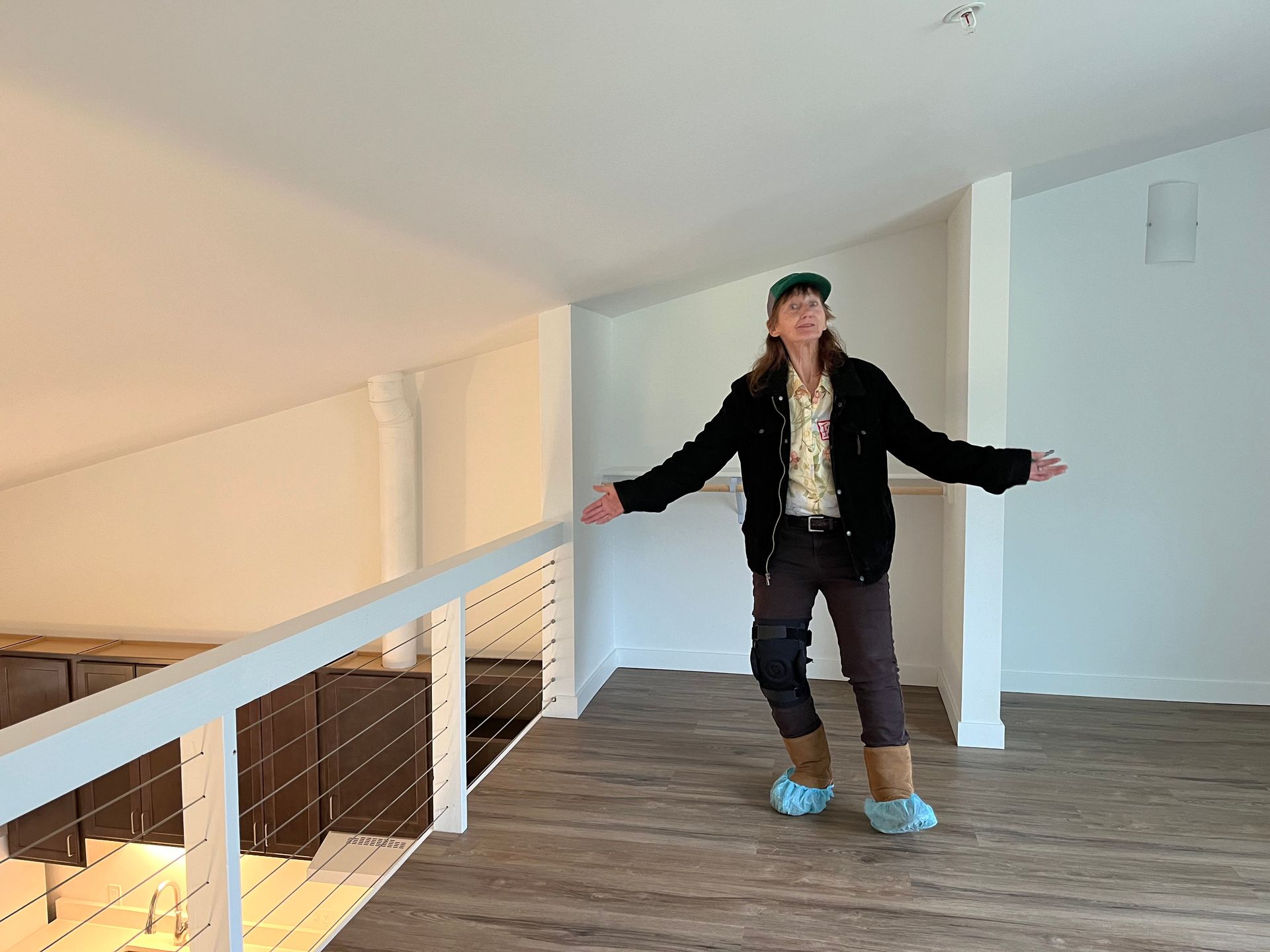
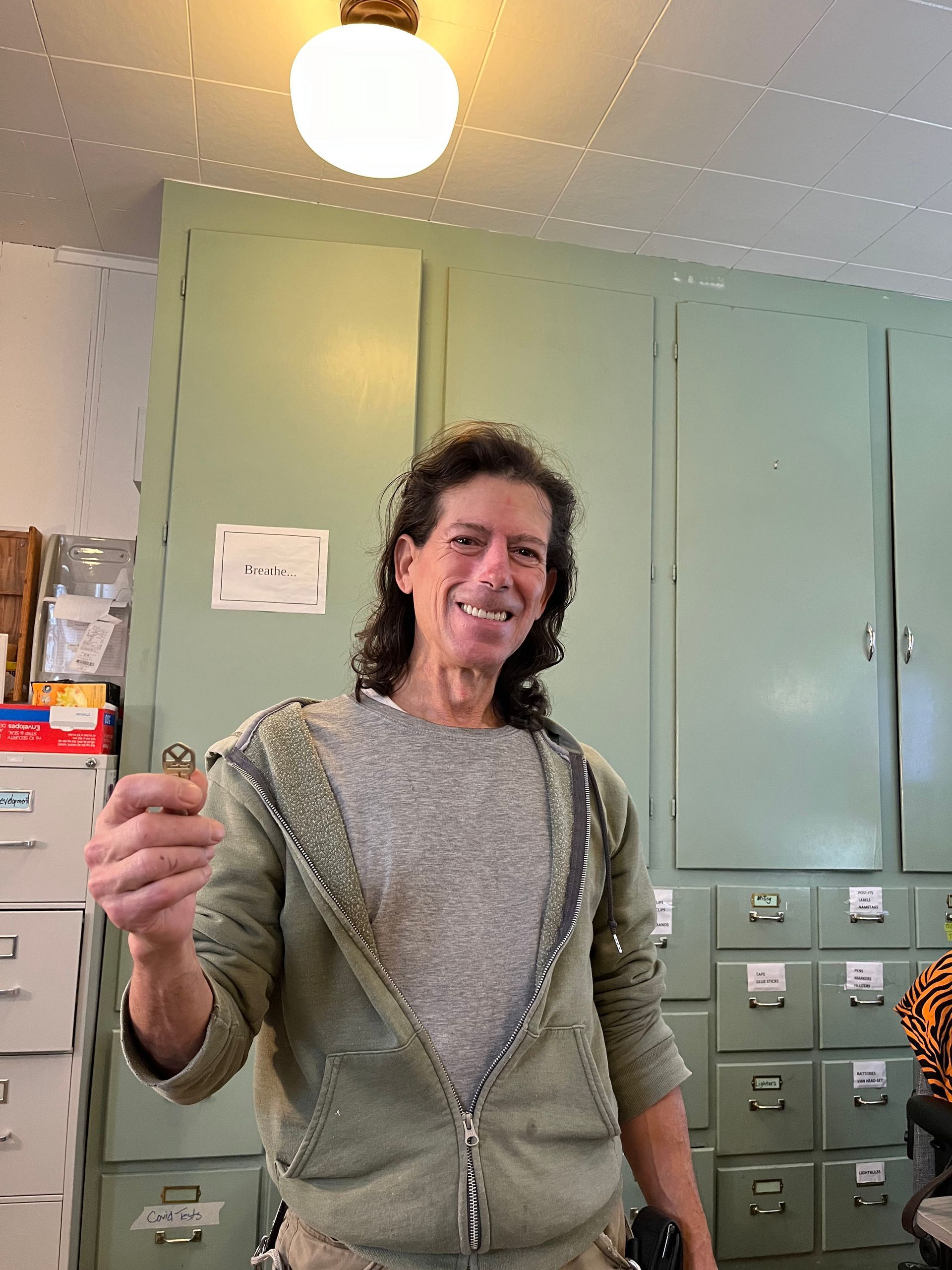
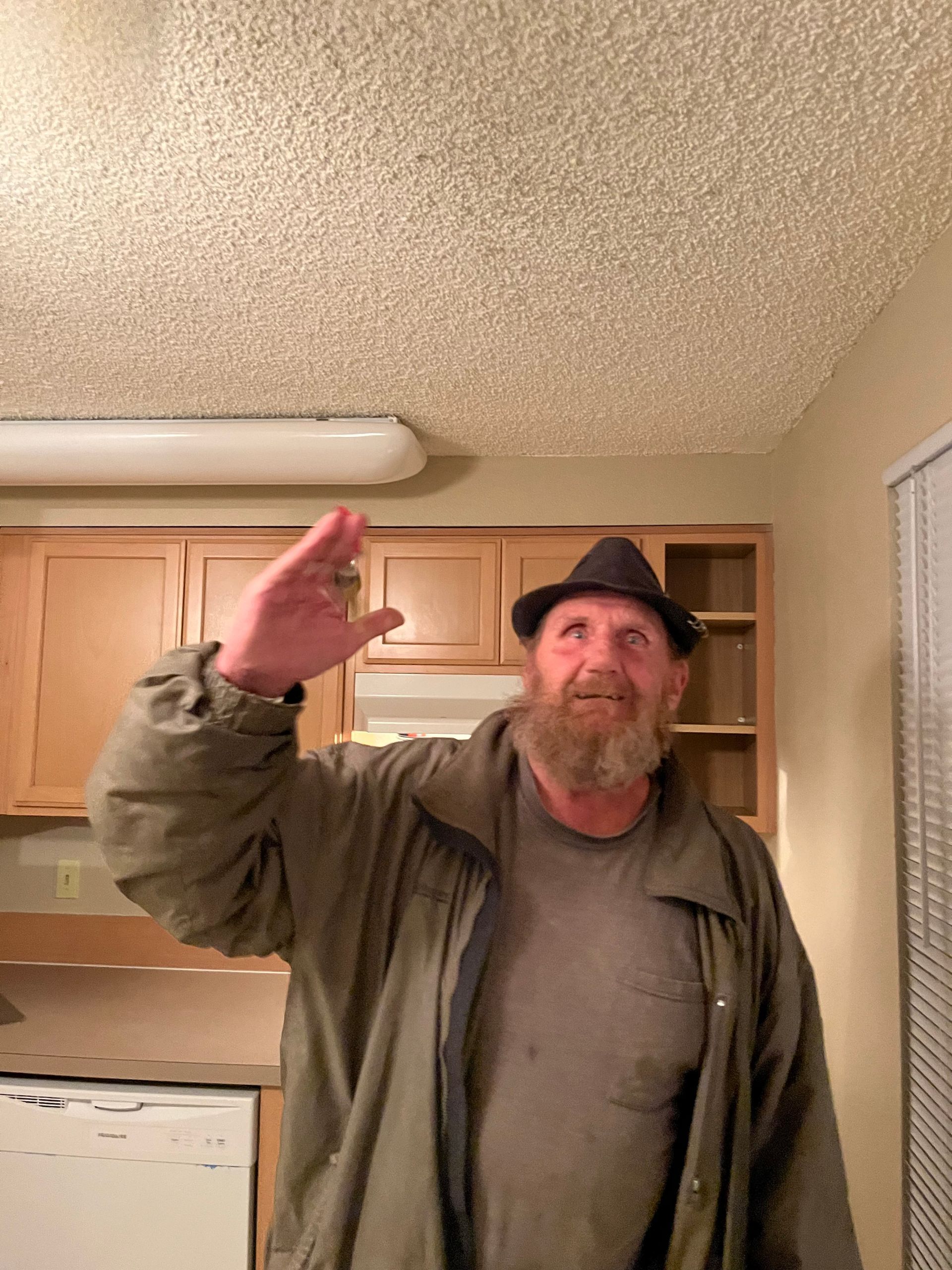
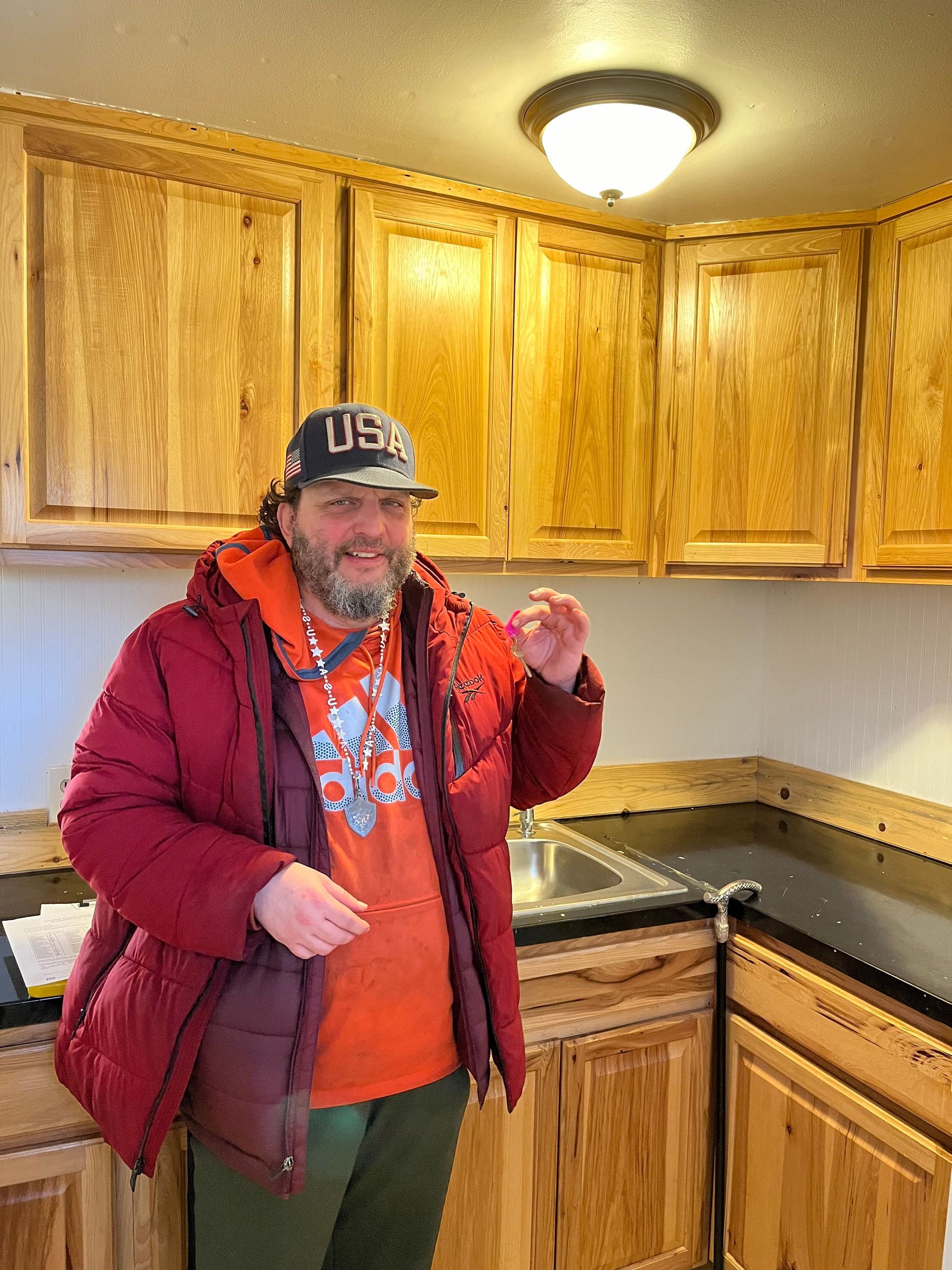
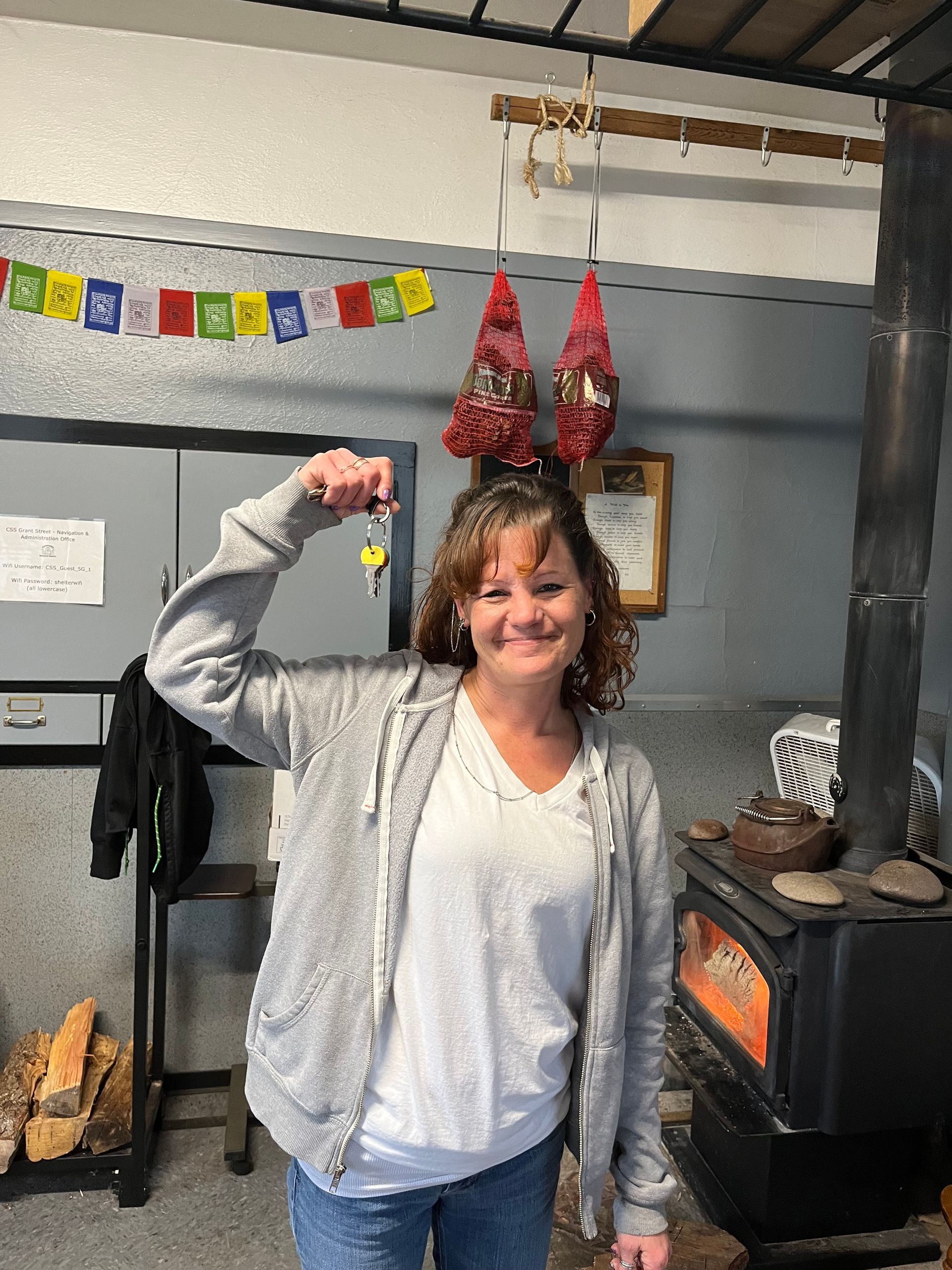
Facing these challenges, CSS has had remarkable success in transitioning clients to HUD-approved permanent housing. HUD considers positive housing destinations to be an apartment or home or living with a family member or friend. Lane County's average reported transition success rate for shelter programs is 9 percent. CSS has consistently reported transition rates in the 30–40 percent range and recently reported a 51 percent transition rate. Mellinda adds that these numbers do not reflect additional transitions that do not meet the HUD standards, but that CSS considers to be positive. “For instance, if somebody goes into treatment and they are there for three months and they do not return because they got housing through that program, we consider that positive.”
Finding affordable housing solutions that fit clients’ needs within the parameters of Section 8 and other rental assistance programs is an ongoing challenge. Overcoming even relatively simple things, such as application fees, can be daunting. “It costs $50 apiece per rental application,” Mellinda says.“Luckily, we made the decision internally to pay those because it is such a huge barrier.”
Mellinda and the Navigation Team at CSS continue to surmount barriers to help chart their clients' paths “over and through” the journey to permanent housing. “My job is to help people navigate this system, which is hard for anyone, but my main job is to help people who others don’t see. To give them a sense of belonging,” Mellinda says. She believes the key to CSS's success is the commitment of the staff, who “show up every day with compassion and love.”